Skip to content
Store Locator

Topic: Lifestyle Blogs

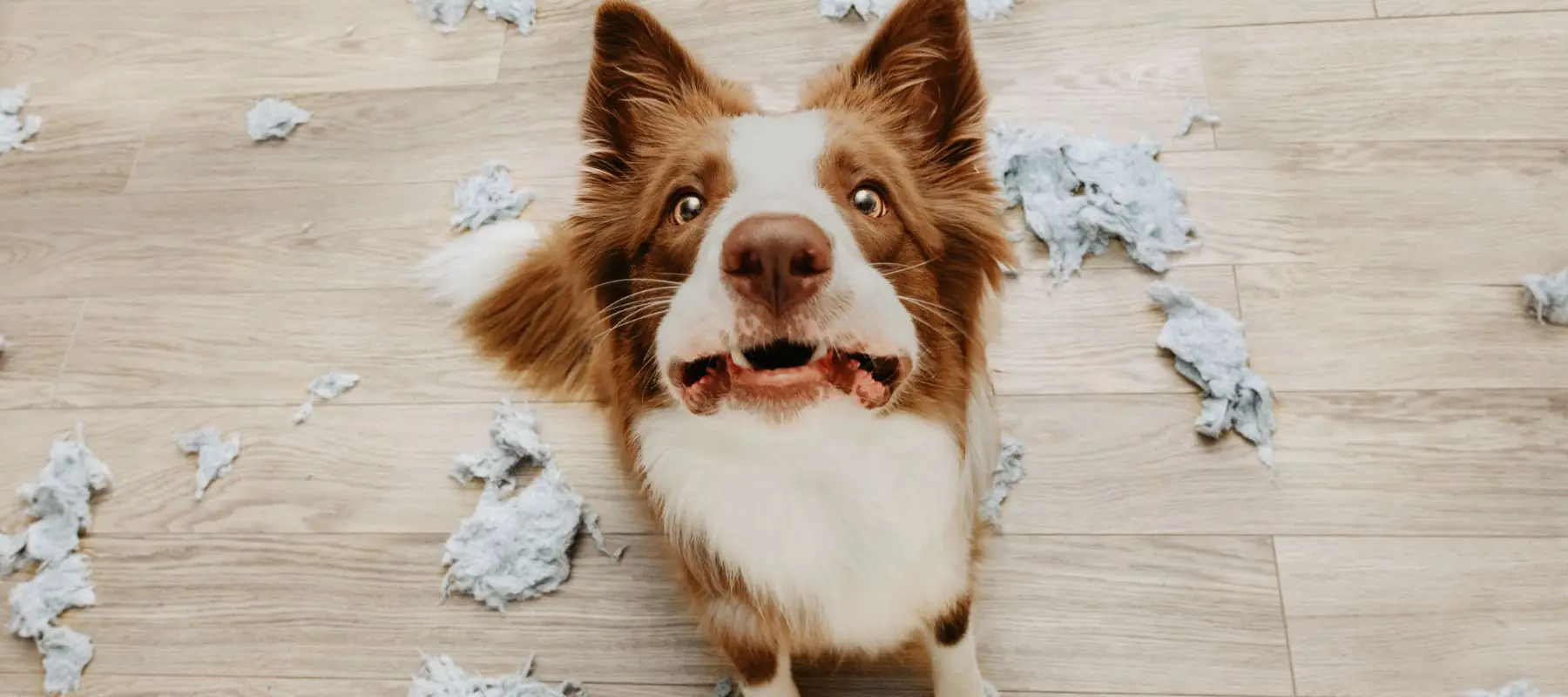
  • Stressed Dogs: How Stress Affects Behaviour, Appetite and Health

    Stressed Dogs: How Stress Affects Behaviour, Appetite and Health

    How to recognise stress in dogs

    It’s easy to assume dogs live carefree lives—but stress in dogs is real. From loud noises and changes in routine to unfamiliar environments or past trauma, many everyday situations can trigger anxiety. Dogs can even pick up on human stress, making them more unsettled.

    Understanding the signs of stress in dogs is the first step in helping them feel calm, secure, and healthy.

    How stress shows up in dogs

    Recognising stress in dogs

    Stress affects a dog’s behaviour, appetite, and physical health. While every dog is different, common symptoms include:

    Behavioural signs

    • Pacing, whining, or restlessness
    • Clinginess or hiding
    • Excessive barking or unusual reactivity

    Appetite changes

    • Eating significantly less or more than usual
    • Food guarding or scavenging behaviour

    Physical symptoms

    • Increased shedding or dull coat
    • Skin irritation or excessive licking
    • Digestive issues such as vomiting or changes in stools

    Any noticeable change in your dog’s normal routine or behaviour could signal stress.

    Why stress affects appetite and health

    The stress–digestion connection

    Stress triggers the release of hormones like cortisol and adrenaline. While useful in short bursts, prolonged stress can disrupt digestion and overall health.

    • Gut health: Stress can upset the gut microbiome, affecting digestion and nutrient absorption
    • Appetite: Some dogs lose interest in food, while others overeat
    • Energy levels: Ongoing stress can lead to fatigue or restlessness

    Routine plays a vital role. Dogs feel more secure when feeding, walking, and rest times are consistent, helping to reduce anxiety-related behaviours.

    Simple ways to support a stressed dog

    Small changes that help calm dogs

    Managing stress in dogs often comes down to consistency, environment, and nutrition.

    • Stick to a routine: Regular feeding, walks, and sleep times create a sense of security
    • Create a safe space: Provide a quiet area where your dog can relax undisturbed
    • Encourage gentle exercise: Activities like fetch or calm walks help release nervous energy
    • Use enrichment tools: Snuffle mats, slow feeders, and puzzle toys support mental stimulation

    Diet also plays an important role. Highly digestible, balanced dog food with natural ingredients and added prebiotics can support gut health and a calmer nervous system. If changing food, always do so gradually to avoid digestive upset.

    Supporting your dog’s wellbeing

    Stress can impact your dog’s behaviour, appetite, and physical health, but with the right approach, it’s often manageable. Consistent routines, proper nutrition, and a calm environment go a long way in helping dogs feel secure.

    If your dog’s stress symptoms persist or worsen, consult your vet to rule out underlying medical issues.

    Frequently asked questions

    Stress in dogs

    What are the most common signs of stress in dogs?

    Common signs include pacing, whining, appetite changes, excessive barking, and digestive issues like vomiting or diarrhoea.

    Can stress cause digestive problems in dogs?

    Yes, stress can disrupt gut health, leading to poor digestion, appetite changes, and nutrient absorption issues.

    How can I quickly calm a stressed dog?

    Provide a quiet space, stick to a routine, and use calming activities like gentle play or enrichment toys to reduce anxiety.
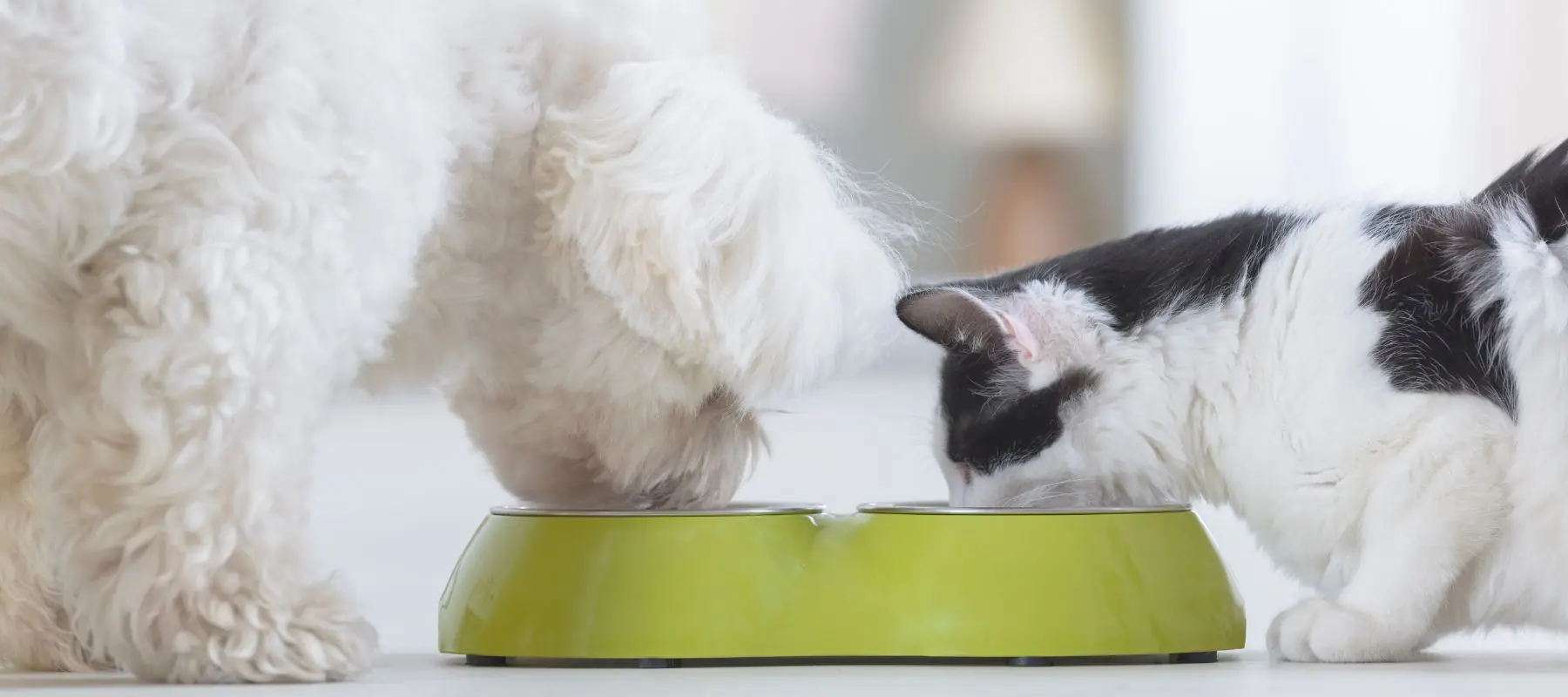

  • Holiday Pet Safety: Toxic Foods and Safe Treat Alternatives for Dogs and Cats

    Holiday Pet Safety: Toxic Foods and Safe Treat Alternatives for Dogs and Cats

    Common holiday foods that are toxic to pets

    The festive season is full of joy, gatherings, and delicious food; however, it can also bring hidden risks for your pets. Sharing treats with your dog or cat may feel like part of the celebration, but many holiday foods are unsafe, as many popular festive foods can be harmful or even dangerous for dogs and cats. While most pet owners know to avoid chocolate, other risks are often overlooked.

    Common toxic foods for pets include:

    • Chocolate and cocoa products
    • Grapes and raisins
    • Onions, garlic, and stuffing ingredients
    • Alcohol and foods containing alcohol
    • Fatty or heavily seasoned leftovers (like gravy or stuffing)
    • Xylitol (a sweetener found in baked goods and sweets)

    Even small amounts of these foods can cause serious health issues. Keeping pets away from the kitchen and dining area during busy cooking times is one of the simplest ways to prevent accidents.

    Holiday hazards in a busy home

    During the holidays, routines change—and pets are quick to take advantage. Dogs and cats may beg, steal food, or charm guests into sharing treats.

    To prevent overfeeding and accidental exposure to toxic foods:

    • Let guests know not to feed your pets human food
    • Provide safe pet treats as an alternative
    • Keep pets in a separate, comfortable space during meal prep and dining
    • Avoid leaving food unattended or within reach
    • Be mindful of edible gifts and food-based decorations

    A little planning goes a long way in preventing holiday-related health issues.

    Why pets gain weight in winter

    Weight gain in pets is common during winter—and the holidays can make it worse. Less exercise combined with extra treats creates the perfect conditions for gradual weight gain.

    Colder weather often means:

    • Reduced outdoor activity
    • More time indoors
    • Increased exposure to food and treats
    • Lower calories burn due to warm indoor environments

    Maintaining a consistent exercise routine and monitoring portion sizes are key to managing your pet’s weight during this time.

    Safe and healthy holiday treat alternatives

    You don’t have to exclude your pet from festive treats—just choose safer options.

    Healthy treat ideas for dogs and cats include:

    • Small pieces of carrot or apple (plain and in moderation)
    • Lean, cooked turkey with no seasoning or bones
    • Pet-specific treats made with natural ingredients
    • Low-calorie treats designed for regular use

    You can also try homemade pet treats using simple ingredients like oats, peanut butter (100% peanuts, no sweeteners), and vegetables. Just be sure all ingredients are pet safe.

    Remember, treats should make up no more than 10% of your pet’s daily calorie intake—even during the holidays.

    Portion control during the festive season

    With more food around, it’s easy for pets to overeat. Managing portions is essential for maintaining a healthy weight.

    To keep feeding on track:

    • Stick to a consistent feeding routine
    • Offer smaller, more frequent meals if needed
    • Avoid feeding table scraps
    • Use low-calorie treats when rewarding your pet
    • Monitor your pet’s body condition—ribs should be felt but not seen

    If you notice weight gain, reduce treats and increase playtime or light exercise. Even short indoor play sessions can help maintain fitness and mental wellbeing.

    Supporting gut health and digestion

    Changes in diet and routine can upset your pet’s digestion during the holidays. Rich foods, extra treats, or sudden changes in feeding can lead to stomach issues.

    To support healthy digestion:

    • Keep your pet’s diet consistent
    • Avoid sudden food changes
    • Ensure access to fresh water at all times
    • Include fibre-rich ingredients like pumpkin or carrot
    • Consider foods that support gut health and digestion

    Hydration is especially important, even in colder weather when pets may drink less.

    Creating a healthy winter-feeding routine

    A simple routine can help prevent overeating and support your pet’s overall health during the festive season.

    • Stock up on healthy, balanced pet food and treats
    • Feed smaller meals more frequently to manage hunger
    • Keep feeding times consistent, even during busy days
    • Provide indoor play and enrichment to replace outdoor activity

    With a little planning and awareness, you can enjoy the holidays while keeping your pets safe, healthy, and included in the celebrations.

    Frequently asked questions

    Holiday pet safety

    What holiday foods are most dangerous for dogs and cats?

    Some of the most dangerous foods include chocolate, grapes, raisins, onions, garlic, alcohol, and foods containing xylitol. Fatty leftovers like gravy or stuffing can also upset your pet’s stomach or lead to more serious health issues. It’s best to avoid feeding pets any human holiday food unless you are certain it is safe.

    Can I give my pet a special treat during the holidays?

    Yes, but it should be safe and given in moderation. Stick to pet-specific treats or simple, unseasoned foods like small pieces of cooked turkey or vegetables. Treats should not exceed 10% of your pet’s daily calorie intake.

    How do I stop my pet from overeating during Christmas?

    Prevent overeating by sticking to a consistent feeding routine, keeping pets away from food preparation areas, and informing guests not to feed them. Providing safe treats and enrichment activities can also help reduce begging and food-seeking behaviour.

  • Winter Pet Mobility Tips: Nutrition and Joint Care for Dogs and Cats

    Winter Pet Mobility Tips: Nutrition and Joint Care for Dogs and Cats

    Why winter affects pet mobility

    Winter can make pets stiffer and less active, but a few simple nutrition and lifestyle adjustments can help keep their joints comfortable and mobile. With the right approach, you can support your dog or cat’s mobility and overall wellbeing throughout the colder months.

    As days get shorter and temperatures drop, pets often exercise less. This reduction in movement, combined with cold weather, can lead to stiff joints, especially in senior dogs, though cats can also be affected. The good news is that proactive winter pet care can make a noticeable difference in keeping them active, healthy, and comfortable.

    Regular movement is one of the best ways to combat this. Even light activity helps increase body temperature, keeping joints flexible and muscles relaxed. If your pet seems slower to get up, hesitant to jump, or less eager to go outside, these can be early signs that winter is impacting their mobility.

    Nutrition tips for joint health and mobility

    Nutrition plays a key role in supporting joint health during winter. Strong muscles help stabilise joints, so feeding high-quality protein is essential for maintaining mobility. Balanced diets such as Leader dog food and Winner ranges for dogs and cats provide the nutrients needed to support muscle strength and energy levels.

    Omega-3 fatty acids, commonly found in oily fish, are especially beneficial. They support joint health, reduce inflammation, and promote a healthy coat—helping pets stay warm and comfortable. Diets that include ingredients like herring, carrot, and kale can offer added antioxidant and mobility support.

    For pets needing extra help, joint supplements can be beneficial. Ingredients such as glucosamine, chondroitin, MSM, and vitamin C support cartilage health and ease stiffness, particularly in aging or less active pets.

    Hydration is another important factor often overlooked in winter. Pets may drink less in colder weather, but proper hydration is essential for joint function. Encourage water intake by offering fresh water regularly or slightly warming it if needed.

    Winter exercise and mobility routines

    Keeping pets active during winter is essential for maintaining joint health. For cats, indoor activity is key. Cat trees, scratching posts, and interactive toys encourage gentle movement and help prevent stiffness. Simple games like chasing toys or light play sessions can keep them both physically and mentally engaged.

    For dogs, daily movement is just as important—even if walks are shorter. Gentle indoor exercises, such as basic obedience training, can help maintain mobility without putting strain on joints.

    Interactive feeders, puzzle toys, and enrichment activities are also great ways to keep pets active when outdoor time is limited. These activities encourage movement while providing mental stimulation.

    When weather conditions allow, regular walks support circulation and joint flexibility. However, take extra care during icy conditions to avoid slips and injuries. A warm, weather-resistant coat can help keep dogs comfortable during colder outings.

    Daily lifestyle adjustments for joint comfort

    Small daily habits can make a big difference in your pet’s comfort during winter. After walks, dry your pet thoroughly to prevent muscles from cooling too quickly. Gentle towel drying can also act as a light massage, helping to relax stiff muscles.

    Creating a warm, comfortable resting space away from drafts helps maintain muscle relaxation. Spending extra time bonding with your pet—through grooming or gentle interaction—can also support their emotional wellbeing during quieter winter months.

    For pets with existing stiffness or joint concerns, consistent use of joint-support supplements can provide additional comfort and mobility support.

    Simple ways to support your pet’s mobility in winter

    • Provide a warm, draft-free sleeping area
    • Use non-slip rugs to prevent slips on hard floors
    • Dry your pet after walks to avoid chilling muscles
    • Allow time to warm up before outdoor activity
    • Check paws for ice or debris that may affect movement
    • Adjust activity levels to suit your pet’s age and ability

    Winter pet care doesn’t require major changes—just consistent, thoughtful habits. With proper nutrition, regular movement, and a focus on warmth and comfort, your dog or cat can stay active and mobile all season long.

    Frequently asked questions

    Winter pet mobility

    Why is my pet more stiff during winter?

    Cold temperatures can cause joint fluid to thicken and muscles to tighten, making movement less comfortable. Reduced activity during winter can also contribute to stiffness, especially in older pets or those with joint issues.

    How can I improve my dog or cat’s mobility in winter?

    Regular gentle exercise, a balanced diet rich in joint-supporting nutrients, and maintaining a warm environment all help improve mobility. Supplements like glucosamine and omega-3 fatty acids can also support joint health.

    Do pets need different food in winter for joint health?

    While not always necessary, winter is a good time to ensure your pet’s diet includes high-quality protein, healthy fats, and joint-supporting nutrients. Some pets, especially seniors, may benefit from specialised food or supplements to maintain mobility and comfort.

  • Dog Separation Anxiety: Training Techniques and Nutrition Tips That Work

    Dog Separation Anxiety: Training Techniques and Nutrition Tips That Work

    What is separation anxiety in dogs?

    Separation anxiety in dogs is a common behavioural issue that can be stressful for both pets and owners. If your dog struggles when left alone, you’re not alone as many dog’s experience anxiety during changes in routine such as holidays, travel, or returning to work or school schedules.

    While some dogs are naturally more prone to anxiety, others may develop it after major life changes, such as rehoming or losing a previous owner. Understanding the signs of separation anxiety and how to manage it is key to helping your dog feel safe, secure, and relaxed at home.

    Understanding separation anxiety in dogs

    Separation anxiety in dogs typically shows up in two main ways: (H3)

    • Pre-departure anxiety: Your dog becomes distressed when you prepare to leave—pacing, whining, or panting when you pick up keys or put on a jacket
    • Behaviour when alone: Excessive barking, destruction, or signs of distress reported by neighbours or seen when you return home

    This type of canine anxiety can stem from past trauma, lack of socialisation, or sudden routine changes. Dogs are naturally social animals and view their owners as part of their “pack,” so being left alone can feel unsettling without proper training and reassurance.

    Training techniques to reduce separation anxiety in dogs

    Learning how to manage separation anxiety in dogs involves consistent training and routine. Combining behavioural techniques with proper nutrition can make a significant difference.

    Create a consistent routine

    Feeding, walking, and playtime at the same times each day helps your dog feel secure and reduces uncertainty.

    Keep departures calm

    Avoid making a fuss when leaving. Calm, low-key exits prevent reinforcing anxious behaviour.

    Practice short absences

    Start by leaving your dog alone for short periods and gradually increase the time. This helps them build confidence and learn that you will return.

    Provide a safe space

    Set up a comfortable, quiet area where your dog can relax. A bed, crate, or designated corner can help them feel secure.

    Use positive reinforcement (Counter-conditioning)

    Associate your departure cues with positive experiences, such as treats or toys, so your dog begins to view them as non-threatening.

    Nutritional support for anxious dogs

    Diet can play an important role in managing dog anxiety. Certain nutrients and supplements may help support a calmer, more balanced mood.

    • Calming ingredients (H3): L-theanine, chamomile, and valerian root may help reduce stress and promote relaxation
    • Omega-3 fatty acids (H3): Support brain function and a healthy nervous system
    • Probiotics (H3): Emerging research shows a strong link between gut health and behaviour, which may help manage stress responses

    These nutritional supports can be especially helpful during known routine changes or stressful periods.

    When to seek professional help

    If your dog’s anxiety does not improve with training and routine, or if symptoms suddenly appear, consult your veterinarian. There may be an underlying medical issue contributing to the behaviour.

    Your vet can recommend treatment options or refer you to a qualified dog trainer or behaviourist. In more severe cases, medication may be needed alongside behavioural training.

    Additional tips for managing separation anxiety

    A well-rounded approach works best when managing separation anxiety in dogs. Combine physical activity, mental stimulation, and calming techniques to support your dog’s wellbeing.

    • Provide daily exercise to reduce excess energy
    • Use puzzle toys, lick mats, or chew toys to keep your dog mentally engaged
    • Introduce calming music to reduce environmental stress triggers
    • Consider pheromone diffusers to create a more relaxing environment

    Consistency is key. With patience, structured training, and the right support, most dogs can learn to feel calm and confident when left alone.

    Frequently asked questions

    Dog separation anxiety

    How do I know if my dog has separation anxiety or is just bored?

    Dogs with separation anxiety show distress specifically when left alone, such as excessive barking, pacing, or destructive behaviour. Bored dogs may also chew or dig, but they are usually calm when you leave and don’t show signs of panic. Timing and behaviour patterns are key indicators.

    How long does it take to train a dog out of separation anxiety?

    It depends on the severity. Mild cases may improve within a few weeks of consistent training, while more severe anxiety can take several months. Progress requires patience, gradual exposure to being alone, and a consistent routine.

    Can diet really help reduce anxiety in dogs?

    Yes, diet can support overall brain and nervous system health. Ingredients like omega-3 fatty acids, calming herbs, and probiotics may help regulate stress responses. While nutrition alone won’t solve separation anxiety, it can be an effective part of a broader management plan.

  • Essential Spring Grooming Tips for Your Dog

    Essential Spring Grooming Tips for Your Dog

    Why spring grooming matters for dogs

    Spring is a major shedding season for dogs as they lose their heavier winter coats. Without regular brushing, loose fur can quickly build up on furniture, clothing, and floors.

    Grooming also helps reduce pet dander and pollen, which can trigger allergies in both pets and owners. At the same time, it gives you a chance to check your dog’s skin for irritation, lumps, or parasites, which makes early detection much easier.

    Spring grooming checklist for dogs

    A consistent grooming routine is the best way to manage shedding and keep your dog in top condition.

    Brush your dog regularly

    Daily brushing is ideal during spring, especially for long-haired breeds prone to tangles and matting. It helps remove loose fur, dirt, and pollen while keeping the coat healthy and shiny.

    Bathe with a gentle dog shampoo

    A spring bath helps remove built-up dirt and allergens. Use a dog-specific, hypoallergenic shampoo to avoid skin irritation. Never use human shampoo, as it can disrupt your dog’s skin balance.

    Trim nails

    Overgrown nails can cause discomfort and affect how your dog walks. Trim nails every 4–6 weeks or use a nail grinder if your dog is sensitive to clippers.

    Clean ears

    Regular ear care helps prevent infections. Gently clean both the ear flap and canal using a pet-safe ear cleaner, especially for dogs prone to wax build-up.

    Flea and tick prevention

    Spring marks the start of parasite season. Regular grooming combined with preventative treatments helps protect your dog from fleas and ticks.

    Worming routine

    Check your dog’s worming schedule and ensure they are up to date with preventative treatments to protect against internal parasites.

    Seasonal haircuts: what you need to know

    Some dogs benefit from a trim in warmer months, particularly long-haired or active breeds. However, not all dogs should be clipped.

    • Double-coated breeds (like Border Collies or German Shepherds) should not be shaved, as their coat helps regulate temperature
    • Short-haired breeds may need extra protection from sun exposure
    • Matted coats or skin conditions may require professional grooming

    When in doubt, consult a professional groomer to ensure your dog’s coat is managed safely. Breeds like Poodles and their crosses often require regular grooming appointments to prevent matting and maintain coat health.

    Grooming tips for nervous dogs

    Not all dogs enjoy grooming, but a calm approach can make a big difference:

    • Start with short grooming sessions and gradually increase duration
    • Use gentle tools like grooming mitts for a more soothing experience
    • Reward your dog with treats to create positive associations
    • Stick to a consistent routine to build familiarity

    If your dog remains anxious, calming supplements or advice from your vet may help improve the experience.

    Keep your dog healthy this spring

    Spring grooming is an essential part of responsible pet care. With regular brushing, proper hygiene, and parasite prevention, you can reduce shedding, support skin health, and keep your dog feeling their best.

    A consistent grooming routine not only improves your dog’s wellbeing but also helps maintain a cleaner, more comfortable home.

    Frequently asked questions

    Spring dog grooming

    How often should I groom my dog in spring?

    During spring, most dogs benefit from more frequent grooming due to increased shedding. Daily brushing is ideal for long-haired breeds, while short-haired dogs may need brushing a few times per week.

    Should I shave my dog in warm weather?

    Not always. Double-coated breeds should not be shaved, as their coat helps regulate body temperature. Instead, regular brushing is the best way to manage shedding. Consult a groomer if you’re unsure.

    What’s the best way to reduce shedding in spring?

    Regular brushing, proper nutrition, and occasional bathing with a gentle dog shampoo are the most effective ways to manage shedding. A consistent grooming routine will significantly reduce loose hair around your home.

  • Understanding Your Cat’s Body Language: What They’re Really Telling You

    Understanding Your Cat’s Body Language: What They’re Really Telling You

    Key cat body language signals and what they mean

    Cats have long been seen as mysterious creatures; however, they are constantly communicating. The key is learning how to understand their signals.

    From tail movements to ear positions, cats use body language, sounds, and behaviour to express their mood, needs, and even their health. By learning to read these cues, you can better respond to your cat and build a stronger, more trusting relationship.

    Key cat body language signals: what they’re saying

    Cats rely heavily on non-verbal communication. Paying attention to their posture and subtle movements can tell you a lot about how they’re feeling.

    Tail positioning

    • Tail upright: Confidence, friendliness, or curiosity
    • Puffed-up tail: Fear or aggression
    • Lashing side to side: Irritation or overstimulation
    • Tucked tail: Anxiety, fear, or submission

    Ear positioning

    • Ears forward: Alert, interested, or playful
    • Ears flattened: Fear, stress, or defensive behaviour

    Whiskers

    • Forward-facing whiskers: Curiosity or excitement
    • Pulled-back whiskers: Fear or discomfort

    Posture

    • Arched back with puffed fur: Defensive or frightened
    • Relaxed or curled up: Comfortable and content
    • Exposed belly: Trust—but not always an invitation for touch

    Eyes

    • Slow blinking: Affection and trust (often called a “cat kiss”)
    • Dilated pupils: Excitement, fear, or heightened alertness

    Understanding cat sounds: purring vs. hissing

    While cats are often quiet, their vocalisations add another layer to their communication.

    • Purring: Usually signals contentment, but can also occur when a cat is stressed or unwell—context matters
    • Hissing: A clear warning sign that your cat feels threatened, frightened, or in pain

    Always consider your cat’s body language alongside their sounds to fully understand what they’re trying to communicate.

    The link between nutrition and cat behaviour

    Your cat’s diet plays a key role in their behaviour, mood, and energy levels. A balanced, high-quality diet supports both physical health and emotional wellbeing.

    • Active cats: Tend to be more playful and curious, often showing confident body language like upright tails and alert ears
    • Less active or indoor cats: May need controlled-calorie diets to maintain a healthy weight and avoid lethargy

    Choosing a nutritious, protein-rich cat food helps support natural behaviours, from playfulness to relaxation, while promoting overall health.

    Tips for understanding your cat better

    • Observe daily behaviour: Watch how your cat uses their tail, ears, and posture in different situations
    • Respond appropriately: Reward relaxed, friendly behaviour and give space when your cat shows stress signals
    • Support with proper nutrition: A well-balanced diet contributes to stable mood and energy
    • Respect boundaries: Avoid forcing interaction if your cat shows fear or irritation

    Building a stronger bond with your cat

    Understanding cat body language is essential for building trust and improving your relationship. When you can recognise what your cat is feeling, you can respond in ways that make them feel safe and secure.

    Over time, this leads to a more confident, affectionate, and well-adjusted pet—one that communicates clearly and enjoys your company.

    Frequently asked questions

    Understanding cat body language

    What does my cat’s tail position mean?

    A cat’s tail is one of the clearest indicators of mood. An upright tail shows confidence and friendliness, while a puffed or lashing tail often signals fear, stress, or irritation.

    Why do cats flatten their ears?

    Flattened ears usually indicate fear, aggression, or discomfort. It’s a sign your cat feels threatened and needs space.

    What does it mean when a cat purrs?

    Purring typically signals contentment, but cats may also purr when they’re anxious or in pain. Always consider their overall body language for context.

  • Does Your Dog Need a Dental Checkup? Spot the Signs

    Does Your Dog Need a Dental Checkup? Spot the Signs

    Why your dog’s oral health matters more than bad breath

    Bad breath in dogs is often the first thing pet parents notice, but it’s typically a sign of deeper issues. Beyond just bad breath, neglected canine dental health can lead to serious problems like gum disease, painful plaque and tartar buildup, difficulty eating, and even loose or lost teeth. Investing in preventative dog dental care is crucial to avoid these painful consequences.

    The critical role of oral health for dogs

    Dogs explore and interact with their world using their mouths. Their quality of life significantly diminishes if they can’t comfortably eat, chew toys, or play. Dog gum disease, a common ailment among canines, can lead to much more serious systemic issues like heart problems and dangerous infections if left untreated.

    Key signs your dog may have a dental problem

    Understanding the warning signs can help you act quickly. Keep a close eye out for these red flags regarding your dog’s oral health:

    • Bad breath (halitosis): More than just an unpleasant odour, persistent, bad breath often indicates bacterial overgrowth or infection.
    • Excessive drooling: This can signal discomfort, pain, or inflammation in the mouth.
    • Difficulty chewing or picking up food: If your dog struggles to eat hard food or drops kibble, they might be experiencing dental pain.
    • Bleeding or inflamed gums: Red, swollen, or bleeding gums are classic indicators of gum disease.
    • Loose or broken teeth: These are signs of advanced dental deterioration and can be extremely painful.

    Don’t delay a vet visit if you notice any of these symptoms! Early intervention is key to preventing further complications.

    The importance of regular professional dental checkups

    Preventative veterinary care is essential. When you visit your vet, ask about their dog dental care services. Do they include an oral health assessment during annual vaccination appointments? Incorporating a thorough dental check into your dog’s regular wellness exams helps catch potential problems when they are still easily treatable.

    Preventing dog gum disease and other dental problems can save your pet from significant suffering. Untreated gum disease allows bacteria to enter the bloodstream, potentially leading to more severe conditions, including tooth loss and damage to vital organs like the heart, liver, and kidneys.

    Regular professional cleanings and examinations mean any dental issues are identified and corrected before they become severe, sparing your beloved companion unnecessary pain and health risks.

    At-home dental care & prevention tips

    Simple, consistent at-home care complements professional vet visits. These practices can significantly protect your dog’s teeth and overall well-being:

    • Regularly inspect your dog’s mouth: Make it a weekly habit to check their teeth for plaque and tartar buildup and examine gums for any signs of inflammation or redness. Start early with puppies or introduce short, positive sessions with older dogs. Reward them with a tasty dental treat like a Leader dental stick after each check.
    • Brush your dog’s teeth: Use a vet-approved toothpaste specifically designed for dogs (never human toothpaste). For detailed instructions and tips, refer to our previous blog post on dog teeth brushing.
    • Provide dental chews for dogs: Incorporate high-quality dental chews from brands like Go Native or Foran into their routine. These can help reduce tartar accumulation and combat bad breath.
    • Monitor behaviour changes: Pay attention to any shifts in your dog’s eating habits (e.g., reluctance to eat hard kibble) or an increase in drooling. Such changes warrant a conversation with your veterinarian.

    Your dog’s dental health is a cornerstone of their overall well-being. By combining consistent at-home dental care with regular professional checkups, you can effectively prevent severe dental issues and ensure your pet enjoys a pain-free, healthy life. Remember, a little preventative care goes a long way in safeguarding your dog’s quality of life.

    Take action now—through regular brushing, offering dental chews, and scheduling routine vet visits—can actively protect your furry friend from future suffering. Don’t let something as preventable as dental disease compromise their health.

    Frequently asked questions

    Dog dental health & checkups

    How often should my dog have a dental checkup?

    Most dogs should have a dental checkup at least once a year as part of their routine veterinary visit. However, some breeds prone to dental issues or older dogs may need more frequent examinations. Your vet can recommend the best schedule based on your dog’s age, breed, and overall oral health.

    What happens during a professional dog dental cleaning?

    A professional dental cleaning typically involves a full oral examination, scaling to remove plaque and tartar, polishing the teeth, and sometimes X-rays to check below the gum line. These procedures are usually done under anaesthesia to ensure your dog remains comfortable and stress-free while allowing the vet to thoroughly assess their dental health.

    Can dental disease in dogs be prevented at home?

    While professional care is essential, many dental problems can be reduced with consistent at-home care. Regular tooth brushing, using vet-approved dental chews, and monitoring your dog’s mouth for early signs of issues can significantly lower the risk of gum disease and tooth decay. Prevention is always easier—and less costly—than treatment.

  • Using Positive Reinforcement in Dog Training: The Power of Treats

    Using Positive Reinforcement in Dog Training: The Power of Treats

    What is positive reinforcement in dog training?

    When training your dog or puppy, treats can be a powerful tool for shaping behaviour. Positive reinforcement dog training focuses on rewarding good behaviour to encourage it to happen again. When used correctly, treats help motivate your dog, speed up learning, and strengthen the bond between you and your pet.

    The key is balance—rewarding your dog without overfeeding. Choosing healthy dog training treats and using them consistently can significantly improve training results while supporting your dog’s overall wellbeing.

    Why treats are more than just a reward

    Positive reinforcement is one of the most effective methods for puppy training and teaching older dogs’ new behaviours. The concept is rooted in classical conditioning, famously demonstrated by Ivan Pavlov. He showed that dogs could learn to associate a neutral stimulus (like a sound) with food, eventually responding automatically.

    This process—called conditioning—goes beyond simple thinking like “if I do this, I get a treat.” Over time, your dog’s brain builds a strong connection between behaviour and reward.

    For this to work, consistency is essential. Without it, your dog won’t reliably link commands or behaviours with rewards, no matter how appealing the treats are.

    Choosing the right treats for dog training

    Consistency doesn’t mean using the same treat every time. In fact, varying rewards can improve results:

    • Low-value treats: Ideal for basic commands your dog already knows
    • High-value treats: Best for difficult behaviours or new training challenges

    The best dog training treats are those your dog loves—but they should also be low in calories and made with quality ingredients, especially since you’ll be using them frequently.

    Healthy treats that include beneficial nutrients like omega fatty acids, glucosamine, and chondroitin can support joint health, coat condition, and overall wellbeing while you train. Portion size and your dog’s weight should always be considered to avoid overfeeding.

    Using treats to improve dog behaviour

    Treat-based training is highly effective for reinforcing commands and correcting unwanted behaviours. It can also help reduce anxiety and build confidence in nervous dogs.

    For example:

    • Fear of vets or loud noises: Offering treats helps create positive associations
    • Meeting other dogs: Reward calm behaviour to reduce reactivity
    • New environments: Use treats to build confidence and prevent anxiety

    Over time, your dog begins to associate these situations with positive outcomes rather than stress.

    Positive reinforcement can also reduce unwanted behaviours such as chewing, digging, or excessive barking. Use high value treats to reward calm behaviour and redirect attention. For boredom-related issues, puzzle toys or enrichment tools can keep your dog mentally stimulated while offering small rewards.

    Timing is everything: when to give a treat

    When it comes to dog training, timing is just as important as the reward itself.

    • Immediate reward: Give a treat instantly when your dog performs the desired behaviour
    • Consistent reinforcement: Repeat this process to build a strong behavioural link
    • Random rewards: Once learned, reward intermittently to maintain motivation
    • Gradual reduction: Over time, your dog will respond without needing a treat every time

    This approach helps shift behaviour from treat-dependent to habit-based, using your dog’s natural reward system.

    The power of treats in shaping behaviour

    Treats are more than just a training aid—they’re a communication tool. When used correctly, they help your dog understand what’s expected, build confidence, and develop positive habits.

    By combining consistent training, proper timing, and high-quality treats, you can shape your dog’s behaviour effectively while strengthening your relationship.

    Positive reinforcement isn’t just about obedience—it’s about creating a happy, confident dog that enjoys learning and trusts their owner.

    Frequently asked questions

    Positive reinforcement dog training

    What is positive reinforcement in dog training?

    Positive reinforcement is a training method that rewards desired behaviours with treats, praise, or toys. This encourages your dog to repeat those behaviours, making training more effective and enjoyable.

    How many treats should I give my dog during training?

    Treats should be used in moderation and make up no more than 10% of your dog’s daily calorie intake. Opt for small, low-calorie treats to avoid overfeeding during training sessions.

    Can I train my dog without treats?

    Yes, but treats are one of the most effective motivators, especially during early training. Over time, you can reduce treat use and replace it with praise, toys, or affection as your dog learns the behaviour.

  • Raising a Healthy, Happy Puppy: The Essential Guide to Early Puppy Care

    Raising a Healthy, Happy Puppy: The Essential Guide to Early Puppy Care

    Quick essentials every new puppy owner needs to know

    Bringing home a new puppy is exciting, however raising a healthy, happy dog starts with the right early puppy care routine. From puppy socialisation and training to choosing the best puppy food for growth, the habits you build now shape your dog’s future behaviour, health, and confidence.

    Starting strong with balanced nutrition, consistent training, daily exercise, and positive socialisation will set your puppy up for a lifetime of wellbeing. Puppyhood is short, so focusing on the essentials early makes all the difference.

    1. How to socialise your puppy: build confidence early

    Puppy socialisation is key to raising a calm, confident, and well-adjusted dog. It means safely introducing your puppy to new environments, people, animals, and everyday situations.

    • Start early: Expose your puppy to different sounds, places, and experiences
    • Use positive reinforcement: Reward calm behaviour with treats or praise
    • Stay relaxed: Your puppy mirrors your emotions—confidence builds confidence

    Good socialisation helps prevent fear, anxiety, and aggression later in life. Carry treats during walks and reward your puppy for calm behaviour when meeting new people or dogs.

    2. Best puppy nutrition tips: support growth & development

    Choosing the best puppy food for growth and development is one of the most important decisions you’ll make. Puppies have different nutritional needs depending on their breed size and growth rate.

    • Choose high-quality ingredients: Look for complete, balanced puppy food with natural ingredients
    • Support joint health: Foods with glucosamine and chondroitin help developing joints
    • Use healthy training treats: Opt for low-calorie treats with added nutrients like omega fatty acids

    Why is glucosamine important for puppies?

    Glucosamine can support joint health, helping prevent mobility issues as your puppy grows.

    A strong nutritional foundation supports bone strength, immune health, and steady growth, giving your puppy the best start in life.

    3. Keeping your puppy active and engaged

    Daily puppy exercise and mental stimulation are essential to prevent boredom and unwanted behaviours like chewing or barking.

    Simple exercise ideas:

    • Play fetch indoors or outdoors
    • Use snuffle mats or puzzle toys for mental stimulation
    • Introduce safe chew toys for enrichment
    • Practice short training sessions through play

    Always match activity levels to your puppy’s age, breed, and energy levels. Young puppies need gentle, shorter sessions rather than intense exercise.

    4. Additional puppy care essentials

    Vet visits & vaccinations

    Schedule early vet check-ups to ensure your puppy receives vaccinations and preventative care. Regular visits help track growth and overall health.

    Grooming

    Start grooming early to build comfort and routine. Use a gentle, puppy-safe shampoo and avoid over-bathing to protect their skin.

    Crate training

    Crate training provides a safe, secure space and helps with house training.

    • Introduce the crate gradually
    • Use treats and toys to create a positive experience
    • Never use the crate as punishment

    A happy, healthy dog starts with early care

    Raising a happy puppy comes down to consistent training, proper nutrition, early socialisation, and daily engagement. These early habits shape your dog’s behaviour, confidence, and long-term health.

    With the right approach, you’ll raise a dog that’s not only healthy—but also calm, confident, and a joy to live with.

    Frequently asked questions

    Early puppy care

    When should I start training my puppy?

    You can begin basic training as early as 8 weeks old. Keep sessions short, positive, and consistent for the best results.

    How often should I feed my puppy?

    Most puppies need 3–4 small meals per day to support steady growth and energy levels.

    How much exercise does a puppy need?

    A good rule is 5 minutes of exercise per month of age (e.g. a 3-month-old puppy = 15 minutes), repeated a few times daily.