
Lifestyle Blogs: Mobility & Joints
Winter Pet Mobility Tips: Nutrition and Joint Care for Dogs and Cats
Keep your pet moving through the cold months with joint care, nutrition and mobility advice for dogs and cats.
Why winter affects pet mobility
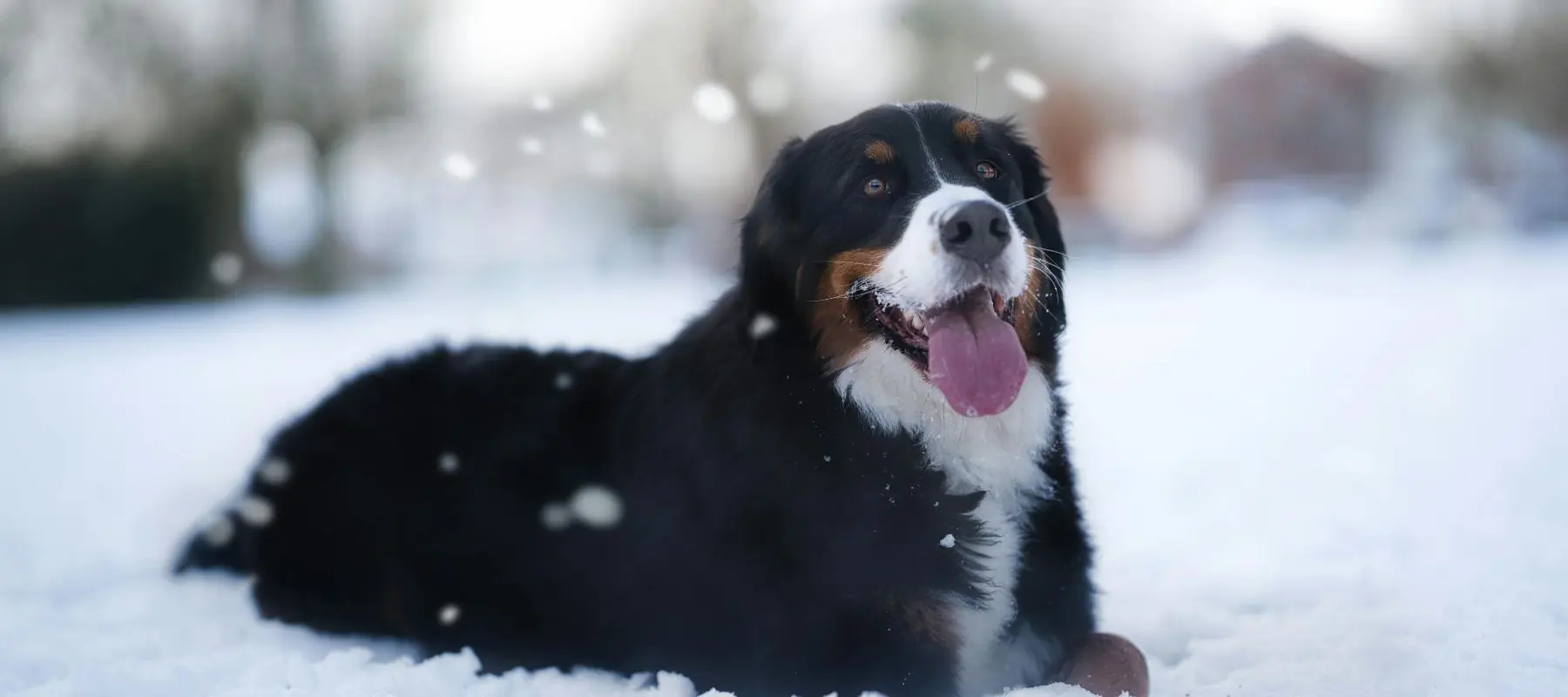
Winter can make pets stiffer and less active, but a few simple nutrition and lifestyle adjustments can help keep their joints comfortable and mobile. With the right approach, you can support your dog or cat’s mobility and overall wellbeing throughout the colder months.
As days get shorter and temperatures drop, pets often exercise less. This reduction in movement, combined with cold weather, can lead to stiff joints, especially in senior dogs, though cats can also be affected. The good news is that proactive winter pet care can make a noticeable difference in keeping them active, healthy, and comfortable.
Regular movement is one of the best ways to combat this. Even light activity helps increase body temperature, keeping joints flexible and muscles relaxed. If your pet seems slower to get up, hesitant to jump, or less eager to go outside, these can be early signs that winter is impacting their mobility.
Nutrition tips for joint health and mobility
Nutrition plays a key role in supporting joint health during winter. Strong muscles help stabilise joints, so feeding high-quality protein is essential for maintaining mobility. Balanced diets such as Leader dog food and Winner ranges for dogs and cats provide the nutrients needed to support muscle strength and energy levels.
Omega-3 fatty acids, commonly found in oily fish, are especially beneficial. They support joint health, reduce inflammation, and promote a healthy coat—helping pets stay warm and comfortable. Diets that include ingredients like herring, carrot, and kale can offer added antioxidant and mobility support.
For pets needing extra help, joint supplements can be beneficial. Ingredients such as glucosamine, chondroitin, MSM, and vitamin C support cartilage health and ease stiffness, particularly in aging or less active pets.
Hydration is another important factor often overlooked in winter. Pets may drink less in colder weather, but proper hydration is essential for joint function. Encourage water intake by offering fresh water regularly or slightly warming it if needed.
Winter exercise and mobility routines
Keeping pets active during winter is essential for maintaining joint health. For cats, indoor activity is key. Cat trees, scratching posts, and interactive toys encourage gentle movement and help prevent stiffness. Simple games like chasing toys or light play sessions can keep them both physically and mentally engaged.
For dogs, daily movement is just as important—even if walks are shorter. Gentle indoor exercises, such as basic obedience training, can help maintain mobility without putting strain on joints.
Interactive feeders, puzzle toys, and enrichment activities are also great ways to keep pets active when outdoor time is limited. These activities encourage movement while providing mental stimulation.
When weather conditions allow, regular walks support circulation and joint flexibility. However, take extra care during icy conditions to avoid slips and injuries. A warm, weather-resistant coat can help keep dogs comfortable during colder outings.
Daily lifestyle adjustments for joint comfort
Small daily habits can make a big difference in your pet’s comfort during winter. After walks, dry your pet thoroughly to prevent muscles from cooling too quickly. Gentle towel drying can also act as a light massage, helping to relax stiff muscles.
Creating a warm, comfortable resting space away from drafts helps maintain muscle relaxation. Spending extra time bonding with your pet—through grooming or gentle interaction—can also support their emotional wellbeing during quieter winter months.
For pets with existing stiffness or joint concerns, consistent use of joint-support supplements can provide additional comfort and mobility support.
Simple ways to support your pet’s mobility in winter
- Provide a warm, draft-free sleeping area
- Use non-slip rugs to prevent slips on hard floors
- Dry your pet after walks to avoid chilling muscles
- Allow time to warm up before outdoor activity
- Check paws for ice or debris that may affect movement
- Adjust activity levels to suit your pet’s age and ability
Winter pet care doesn’t require major changes—just consistent, thoughtful habits. With proper nutrition, regular movement, and a focus on warmth and comfort, your dog or cat can stay active and mobile all season long.
Frequently asked questions
Winter pet mobility
Why is my pet more stiff during winter?
Cold temperatures can cause joint fluid to thicken and muscles to tighten, making movement less comfortable. Reduced activity during winter can also contribute to stiffness, especially in older pets or those with joint issues.
How can I improve my dog or cat’s mobility in winter?
Regular gentle exercise, a balanced diet rich in joint-supporting nutrients, and maintaining a warm environment all help improve mobility. Supplements like glucosamine and omega-3 fatty acids can also support joint health.
Do pets need different food in winter for joint health?
While not always necessary, winter is a good time to ensure your pet’s diet includes high-quality protein, healthy fats, and joint-supporting nutrients. Some pets, especially seniors, may benefit from specialised food or supplements to maintain mobility and comfort.
Keep reading
More blogs like this

Behaviour & Training
Stressed Dogs: How Stress Affects Behaviour, Appetite and Health
Learn how to recognise stress in dogs, how it affects behaviour and appetite, and simple ways to calm your dog and support their overall health.
Seasonal & Safety
Holiday Pet Safety: Toxic Foods and Safe Treat Alternatives for Dogs and Cats
Keep your pets safe this holiday season. Learn which foods are toxic, the safe treat alternatives, and how to prevent overeating and weight gain.

Behaviour & Training
Dog Separation Anxiety: Training Techniques and Nutrition Tips That Work
Manage dog separation anxiety with proven training techniques, calming routines and nutrition tips to help your dog stay relaxed when home alone.