
Lifestyle Blogs: Behaviour & Training
Stressed Dogs: How Stress Affects Behaviour, Appetite and Health
Learn how to recognise stress in dogs, how it affects behaviour and appetite, and simple ways to calm your dog and support their overall health.

How to recognise stress in dogs
It’s easy to assume dogs live carefree lives—but stress in dogs is real. From loud noises and changes in routine to unfamiliar environments or past trauma, many everyday situations can trigger anxiety. Dogs can even pick up on human stress, making them more unsettled.
Understanding the signs of stress in dogs is the first step in helping them feel calm, secure, and healthy.
How stress shows up in dogs
Recognising stress in dogs
Stress affects a dog’s behaviour, appetite, and physical health. While every dog is different, common symptoms include:
Behavioural signs
- Pacing, whining, or restlessness
- Clinginess or hiding
- Excessive barking or unusual reactivity
Appetite changes
- Eating significantly less or more than usual
- Food guarding or scavenging behaviour
Physical symptoms
- Increased shedding or dull coat
- Skin irritation or excessive licking
- Digestive issues such as vomiting or changes in stools
Any noticeable change in your dog’s normal routine or behaviour could signal stress.
Why stress affects appetite and health
The stress–digestion connection
Stress triggers the release of hormones like cortisol and adrenaline. While useful in short bursts, prolonged stress can disrupt digestion and overall health.
- Gut health: Stress can upset the gut microbiome, affecting digestion and nutrient absorption
- Appetite: Some dogs lose interest in food, while others overeat
- Energy levels: Ongoing stress can lead to fatigue or restlessness
Routine plays a vital role. Dogs feel more secure when feeding, walking, and rest times are consistent, helping to reduce anxiety-related behaviours.
Simple ways to support a stressed dog
Small changes that help calm dogs
Managing stress in dogs often comes down to consistency, environment, and nutrition.
- Stick to a routine: Regular feeding, walks, and sleep times create a sense of security
- Create a safe space: Provide a quiet area where your dog can relax undisturbed
- Encourage gentle exercise: Activities like fetch or calm walks help release nervous energy
- Use enrichment tools: Snuffle mats, slow feeders, and puzzle toys support mental stimulation
Diet also plays an important role. Highly digestible, balanced dog food with natural ingredients and added prebiotics can support gut health and a calmer nervous system. If changing food, always do so gradually to avoid digestive upset.
Supporting your dog’s wellbeing
Stress can impact your dog’s behaviour, appetite, and physical health, but with the right approach, it’s often manageable. Consistent routines, proper nutrition, and a calm environment go a long way in helping dogs feel secure.
If your dog’s stress symptoms persist or worsen, consult your vet to rule out underlying medical issues.
Frequently asked questions
Stress in dogs
What are the most common signs of stress in dogs?
Common signs include pacing, whining, appetite changes, excessive barking, and digestive issues like vomiting or diarrhoea.
Can stress cause digestive problems in dogs?
Yes, stress can disrupt gut health, leading to poor digestion, appetite changes, and nutrient absorption issues.
How can I quickly calm a stressed dog?
Provide a quiet space, stick to a routine, and use calming activities like gentle play or enrichment toys to reduce anxiety.
Keep reading
More blogs like this

Behaviour & Training
Dog Separation Anxiety: Training Techniques and Nutrition Tips That Work
Manage dog separation anxiety with proven training techniques, calming routines and nutrition tips to help your dog stay relaxed when home alone.

Behaviour & Training
Understanding Your Cat’s Body Language: What They’re Really Telling You
Learn how to read your cat’s body language, signals and vocalisations, and understand their moods, needs and behaviours.
Behaviour & Training
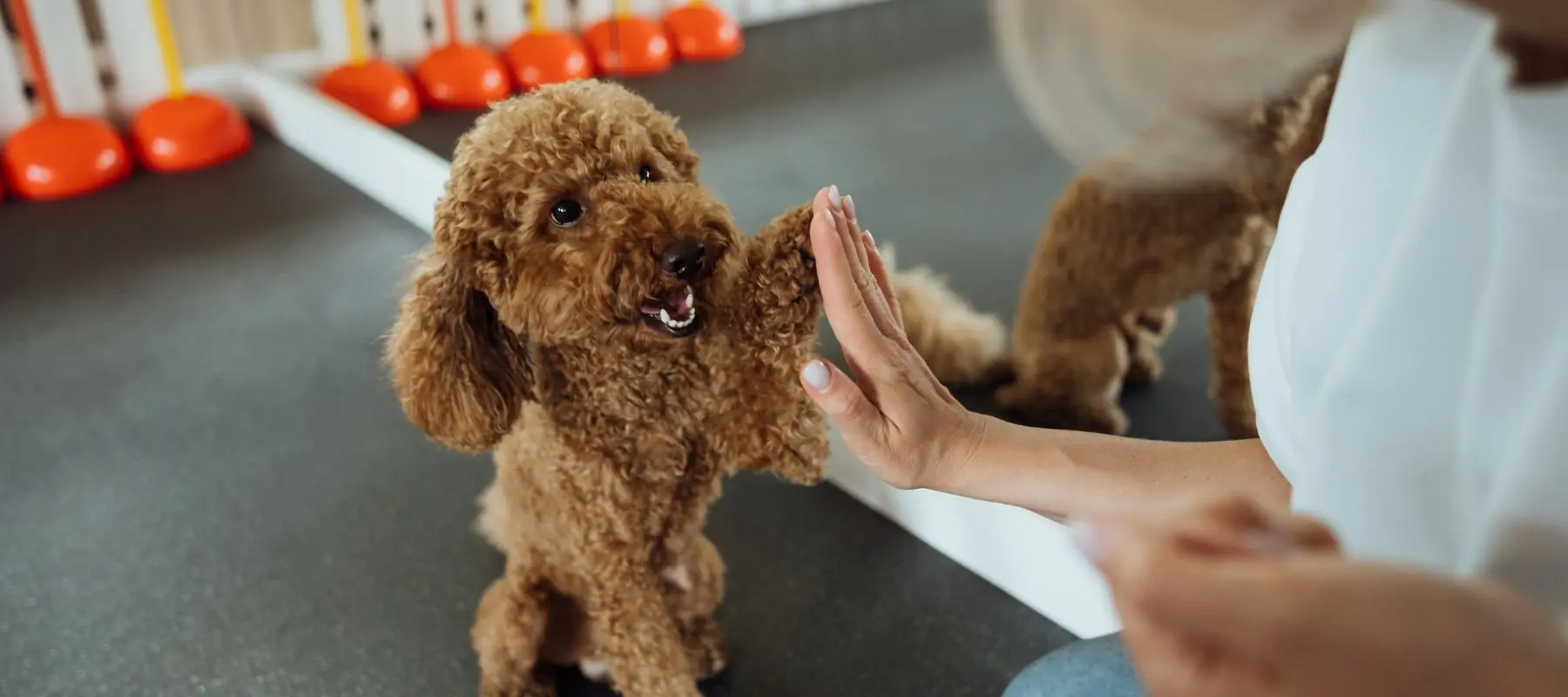
Using Positive Reinforcement in Dog Training: The Power of Treats
How to use positive reinforcement and healthy treats to train your dog or puppy, with expert tips on behaviour training and timing rewards.