
Lifestyle Blogs: Behaviour & Training
Using Positive Reinforcement in Dog Training: The Power of Treats
How to use positive reinforcement and healthy treats to train your dog or puppy, with expert tips on behaviour training and timing rewards.
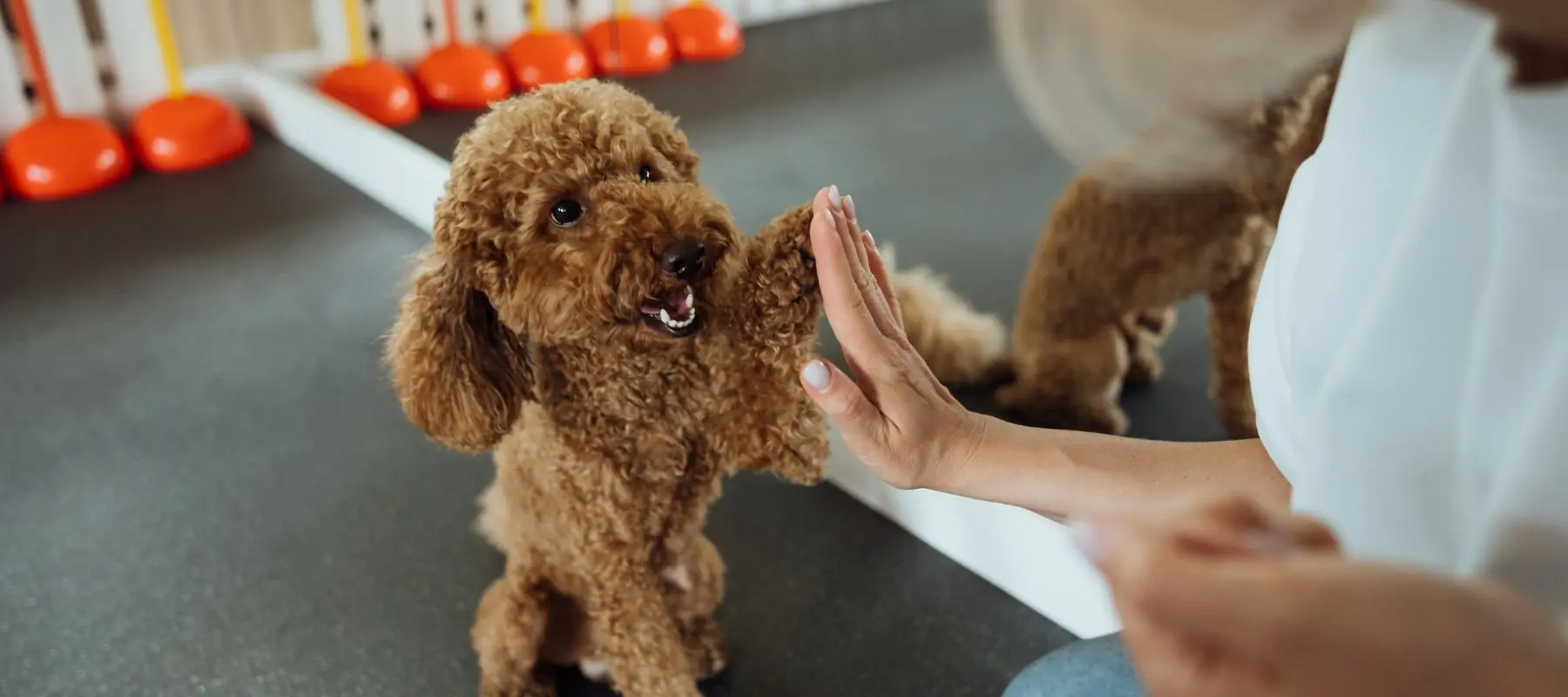
What is positive reinforcement in dog training?
When training your dog or puppy, treats can be a powerful tool for shaping behaviour. Positive reinforcement dog training focuses on rewarding good behaviour to encourage it to happen again. When used correctly, treats help motivate your dog, speed up learning, and strengthen the bond between you and your pet.
The key is balance—rewarding your dog without overfeeding. Choosing healthy dog training treats and using them consistently can significantly improve training results while supporting your dog’s overall wellbeing.
Why treats are more than just a reward
Positive reinforcement is one of the most effective methods for puppy training and teaching older dogs’ new behaviours. The concept is rooted in classical conditioning, famously demonstrated by Ivan Pavlov. He showed that dogs could learn to associate a neutral stimulus (like a sound) with food, eventually responding automatically.
This process—called conditioning—goes beyond simple thinking like “if I do this, I get a treat.” Over time, your dog’s brain builds a strong connection between behaviour and reward.
For this to work, consistency is essential. Without it, your dog won’t reliably link commands or behaviours with rewards, no matter how appealing the treats are.
Choosing the right treats for dog training
Consistency doesn’t mean using the same treat every time. In fact, varying rewards can improve results:
- Low-value treats: Ideal for basic commands your dog already knows
- High-value treats: Best for difficult behaviours or new training challenges
The best dog training treats are those your dog loves—but they should also be low in calories and made with quality ingredients, especially since you’ll be using them frequently.
Healthy treats that include beneficial nutrients like omega fatty acids, glucosamine, and chondroitin can support joint health, coat condition, and overall wellbeing while you train. Portion size and your dog’s weight should always be considered to avoid overfeeding.
Using treats to improve dog behaviour
Treat-based training is highly effective for reinforcing commands and correcting unwanted behaviours. It can also help reduce anxiety and build confidence in nervous dogs.
For example:
- Fear of vets or loud noises: Offering treats helps create positive associations
- Meeting other dogs: Reward calm behaviour to reduce reactivity
- New environments: Use treats to build confidence and prevent anxiety
Over time, your dog begins to associate these situations with positive outcomes rather than stress.
Positive reinforcement can also reduce unwanted behaviours such as chewing, digging, or excessive barking. Use high value treats to reward calm behaviour and redirect attention. For boredom-related issues, puzzle toys or enrichment tools can keep your dog mentally stimulated while offering small rewards.
Timing is everything: when to give a treat
When it comes to dog training, timing is just as important as the reward itself.
- Immediate reward: Give a treat instantly when your dog performs the desired behaviour
- Consistent reinforcement: Repeat this process to build a strong behavioural link
- Random rewards: Once learned, reward intermittently to maintain motivation
- Gradual reduction: Over time, your dog will respond without needing a treat every time
This approach helps shift behaviour from treat-dependent to habit-based, using your dog’s natural reward system.
The power of treats in shaping behaviour
Treats are more than just a training aid—they’re a communication tool. When used correctly, they help your dog understand what’s expected, build confidence, and develop positive habits.
By combining consistent training, proper timing, and high-quality treats, you can shape your dog’s behaviour effectively while strengthening your relationship.
Positive reinforcement isn’t just about obedience—it’s about creating a happy, confident dog that enjoys learning and trusts their owner.
Frequently asked questions
Positive reinforcement dog training
What is positive reinforcement in dog training?
Positive reinforcement is a training method that rewards desired behaviours with treats, praise, or toys. This encourages your dog to repeat those behaviours, making training more effective and enjoyable.
How many treats should I give my dog during training?
Treats should be used in moderation and make up no more than 10% of your dog’s daily calorie intake. Opt for small, low-calorie treats to avoid overfeeding during training sessions.
Can I train my dog without treats?
Yes, but treats are one of the most effective motivators, especially during early training. Over time, you can reduce treat use and replace it with praise, toys, or affection as your dog learns the behaviour.
Keep reading
More blogs like this

Behaviour & Training
Stressed Dogs: How Stress Affects Behaviour, Appetite and Health
Learn how to recognise stress in dogs, how it affects behaviour and appetite, and simple ways to calm your dog and support their overall health.

Behaviour & Training
Dog Separation Anxiety: Training Techniques and Nutrition Tips That Work
Manage dog separation anxiety with proven training techniques, calming routines and nutrition tips to help your dog stay relaxed when home alone.

Behaviour & Training
Understanding Your Cat’s Body Language: What They’re Really Telling You
Learn how to read your cat’s body language, signals and vocalisations, and understand their moods, needs and behaviours.