Skip to content
Store Locator

Topic: Behaviour & Training

  • Stressed Dogs: How Stress Affects Behaviour, Appetite and Health

    Stressed Dogs: How Stress Affects Behaviour, Appetite and Health

    How to recognise stress in dogs

    It’s easy to assume dogs live carefree lives—but stress in dogs is real. From loud noises and changes in routine to unfamiliar environments or past trauma, many everyday situations can trigger anxiety. Dogs can even pick up on human stress, making them more unsettled.

    Understanding the signs of stress in dogs is the first step in helping them feel calm, secure, and healthy.

    How stress shows up in dogs

    Recognising stress in dogs

    Stress affects a dog’s behaviour, appetite, and physical health. While every dog is different, common symptoms include:

    Behavioural signs

    • Pacing, whining, or restlessness
    • Clinginess or hiding
    • Excessive barking or unusual reactivity

    Appetite changes

    • Eating significantly less or more than usual
    • Food guarding or scavenging behaviour

    Physical symptoms

    • Increased shedding or dull coat
    • Skin irritation or excessive licking
    • Digestive issues such as vomiting or changes in stools

    Any noticeable change in your dog’s normal routine or behaviour could signal stress.

    Why stress affects appetite and health

    The stress–digestion connection

    Stress triggers the release of hormones like cortisol and adrenaline. While useful in short bursts, prolonged stress can disrupt digestion and overall health.

    • Gut health: Stress can upset the gut microbiome, affecting digestion and nutrient absorption
    • Appetite: Some dogs lose interest in food, while others overeat
    • Energy levels: Ongoing stress can lead to fatigue or restlessness

    Routine plays a vital role. Dogs feel more secure when feeding, walking, and rest times are consistent, helping to reduce anxiety-related behaviours.

    Simple ways to support a stressed dog

    Small changes that help calm dogs

    Managing stress in dogs often comes down to consistency, environment, and nutrition.

    • Stick to a routine: Regular feeding, walks, and sleep times create a sense of security
    • Create a safe space: Provide a quiet area where your dog can relax undisturbed
    • Encourage gentle exercise: Activities like fetch or calm walks help release nervous energy
    • Use enrichment tools: Snuffle mats, slow feeders, and puzzle toys support mental stimulation

    Diet also plays an important role. Highly digestible, balanced dog food with natural ingredients and added prebiotics can support gut health and a calmer nervous system. If changing food, always do so gradually to avoid digestive upset.

    Supporting your dog’s wellbeing

    Stress can impact your dog’s behaviour, appetite, and physical health, but with the right approach, it’s often manageable. Consistent routines, proper nutrition, and a calm environment go a long way in helping dogs feel secure.

    If your dog’s stress symptoms persist or worsen, consult your vet to rule out underlying medical issues.

    Frequently asked questions

    Stress in dogs

    What are the most common signs of stress in dogs?

    Common signs include pacing, whining, appetite changes, excessive barking, and digestive issues like vomiting or diarrhoea.

    Can stress cause digestive problems in dogs?

    Yes, stress can disrupt gut health, leading to poor digestion, appetite changes, and nutrient absorption issues.

    How can I quickly calm a stressed dog?

    Provide a quiet space, stick to a routine, and use calming activities like gentle play or enrichment toys to reduce anxiety.

  • Dog Separation Anxiety: Training Techniques and Nutrition Tips That Work

    Dog Separation Anxiety: Training Techniques and Nutrition Tips That Work

    What is separation anxiety in dogs?

    Separation anxiety in dogs is a common behavioural issue that can be stressful for both pets and owners. If your dog struggles when left alone, you’re not alone as many dog’s experience anxiety during changes in routine such as holidays, travel, or returning to work or school schedules.

    While some dogs are naturally more prone to anxiety, others may develop it after major life changes, such as rehoming or losing a previous owner. Understanding the signs of separation anxiety and how to manage it is key to helping your dog feel safe, secure, and relaxed at home.

    Understanding separation anxiety in dogs

    Separation anxiety in dogs typically shows up in two main ways: (H3)

    • Pre-departure anxiety: Your dog becomes distressed when you prepare to leave—pacing, whining, or panting when you pick up keys or put on a jacket
    • Behaviour when alone: Excessive barking, destruction, or signs of distress reported by neighbours or seen when you return home

    This type of canine anxiety can stem from past trauma, lack of socialisation, or sudden routine changes. Dogs are naturally social animals and view their owners as part of their “pack,” so being left alone can feel unsettling without proper training and reassurance.

    Training techniques to reduce separation anxiety in dogs

    Learning how to manage separation anxiety in dogs involves consistent training and routine. Combining behavioural techniques with proper nutrition can make a significant difference.

    Create a consistent routine

    Feeding, walking, and playtime at the same times each day helps your dog feel secure and reduces uncertainty.

    Keep departures calm

    Avoid making a fuss when leaving. Calm, low-key exits prevent reinforcing anxious behaviour.

    Practice short absences

    Start by leaving your dog alone for short periods and gradually increase the time. This helps them build confidence and learn that you will return.

    Provide a safe space

    Set up a comfortable, quiet area where your dog can relax. A bed, crate, or designated corner can help them feel secure.

    Use positive reinforcement (Counter-conditioning)

    Associate your departure cues with positive experiences, such as treats or toys, so your dog begins to view them as non-threatening.

    Nutritional support for anxious dogs

    Diet can play an important role in managing dog anxiety. Certain nutrients and supplements may help support a calmer, more balanced mood.

    • Calming ingredients (H3): L-theanine, chamomile, and valerian root may help reduce stress and promote relaxation
    • Omega-3 fatty acids (H3): Support brain function and a healthy nervous system
    • Probiotics (H3): Emerging research shows a strong link between gut health and behaviour, which may help manage stress responses

    These nutritional supports can be especially helpful during known routine changes or stressful periods.

    When to seek professional help

    If your dog’s anxiety does not improve with training and routine, or if symptoms suddenly appear, consult your veterinarian. There may be an underlying medical issue contributing to the behaviour.

    Your vet can recommend treatment options or refer you to a qualified dog trainer or behaviourist. In more severe cases, medication may be needed alongside behavioural training.

    Additional tips for managing separation anxiety

    A well-rounded approach works best when managing separation anxiety in dogs. Combine physical activity, mental stimulation, and calming techniques to support your dog’s wellbeing.

    • Provide daily exercise to reduce excess energy
    • Use puzzle toys, lick mats, or chew toys to keep your dog mentally engaged
    • Introduce calming music to reduce environmental stress triggers
    • Consider pheromone diffusers to create a more relaxing environment

    Consistency is key. With patience, structured training, and the right support, most dogs can learn to feel calm and confident when left alone.

    Frequently asked questions

    Dog separation anxiety

    How do I know if my dog has separation anxiety or is just bored?

    Dogs with separation anxiety show distress specifically when left alone, such as excessive barking, pacing, or destructive behaviour. Bored dogs may also chew or dig, but they are usually calm when you leave and don’t show signs of panic. Timing and behaviour patterns are key indicators.

    How long does it take to train a dog out of separation anxiety?

    It depends on the severity. Mild cases may improve within a few weeks of consistent training, while more severe anxiety can take several months. Progress requires patience, gradual exposure to being alone, and a consistent routine.

    Can diet really help reduce anxiety in dogs?

    Yes, diet can support overall brain and nervous system health. Ingredients like omega-3 fatty acids, calming herbs, and probiotics may help regulate stress responses. While nutrition alone won’t solve separation anxiety, it can be an effective part of a broader management plan.

  • Understanding Your Cat’s Body Language: What They’re Really Telling You

    Understanding Your Cat’s Body Language: What They’re Really Telling You

    Key cat body language signals and what they mean

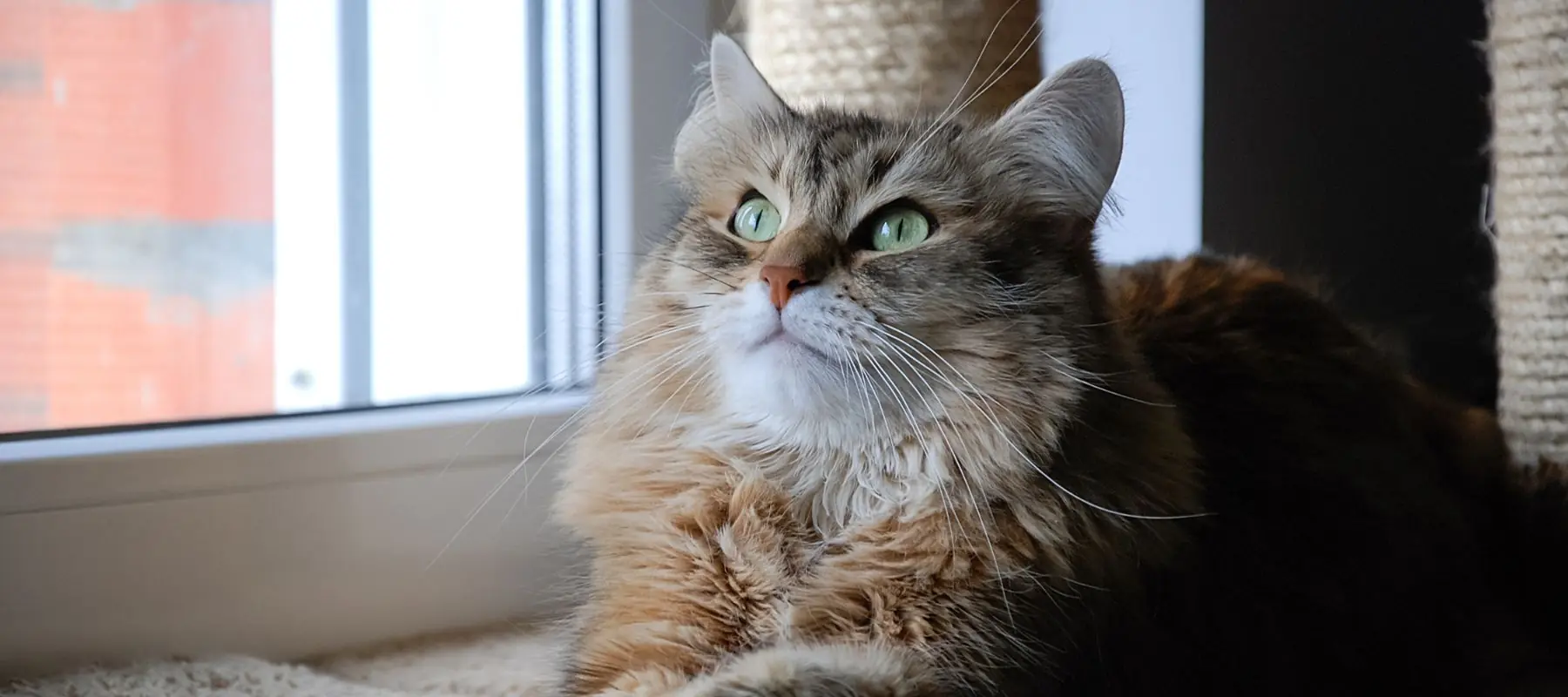
    Cats have long been seen as mysterious creatures; however, they are constantly communicating. The key is learning how to understand their signals.

    From tail movements to ear positions, cats use body language, sounds, and behaviour to express their mood, needs, and even their health. By learning to read these cues, you can better respond to your cat and build a stronger, more trusting relationship.

    Key cat body language signals: what they’re saying

    Cats rely heavily on non-verbal communication. Paying attention to their posture and subtle movements can tell you a lot about how they’re feeling.

    Tail positioning

    • Tail upright: Confidence, friendliness, or curiosity
    • Puffed-up tail: Fear or aggression
    • Lashing side to side: Irritation or overstimulation
    • Tucked tail: Anxiety, fear, or submission

    Ear positioning

    • Ears forward: Alert, interested, or playful
    • Ears flattened: Fear, stress, or defensive behaviour

    Whiskers

    • Forward-facing whiskers: Curiosity or excitement
    • Pulled-back whiskers: Fear or discomfort

    Posture

    • Arched back with puffed fur: Defensive or frightened
    • Relaxed or curled up: Comfortable and content
    • Exposed belly: Trust—but not always an invitation for touch

    Eyes

    • Slow blinking: Affection and trust (often called a “cat kiss”)
    • Dilated pupils: Excitement, fear, or heightened alertness

    Understanding cat sounds: purring vs. hissing

    While cats are often quiet, their vocalisations add another layer to their communication.

    • Purring: Usually signals contentment, but can also occur when a cat is stressed or unwell—context matters
    • Hissing: A clear warning sign that your cat feels threatened, frightened, or in pain

    Always consider your cat’s body language alongside their sounds to fully understand what they’re trying to communicate.

    The link between nutrition and cat behaviour

    Your cat’s diet plays a key role in their behaviour, mood, and energy levels. A balanced, high-quality diet supports both physical health and emotional wellbeing.

    • Active cats: Tend to be more playful and curious, often showing confident body language like upright tails and alert ears
    • Less active or indoor cats: May need controlled-calorie diets to maintain a healthy weight and avoid lethargy

    Choosing a nutritious, protein-rich cat food helps support natural behaviours, from playfulness to relaxation, while promoting overall health.

    Tips for understanding your cat better

    • Observe daily behaviour: Watch how your cat uses their tail, ears, and posture in different situations
    • Respond appropriately: Reward relaxed, friendly behaviour and give space when your cat shows stress signals
    • Support with proper nutrition: A well-balanced diet contributes to stable mood and energy
    • Respect boundaries: Avoid forcing interaction if your cat shows fear or irritation

    Building a stronger bond with your cat

    Understanding cat body language is essential for building trust and improving your relationship. When you can recognise what your cat is feeling, you can respond in ways that make them feel safe and secure.

    Over time, this leads to a more confident, affectionate, and well-adjusted pet—one that communicates clearly and enjoys your company.

    Frequently asked questions

    Understanding cat body language

    What does my cat’s tail position mean?

    A cat’s tail is one of the clearest indicators of mood. An upright tail shows confidence and friendliness, while a puffed or lashing tail often signals fear, stress, or irritation.

    Why do cats flatten their ears?

    Flattened ears usually indicate fear, aggression, or discomfort. It’s a sign your cat feels threatened and needs space.

    What does it mean when a cat purrs?

    Purring typically signals contentment, but cats may also purr when they’re anxious or in pain. Always consider their overall body language for context.

  • Using Positive Reinforcement in Dog Training: The Power of Treats

    Using Positive Reinforcement in Dog Training: The Power of Treats

    What is positive reinforcement in dog training?

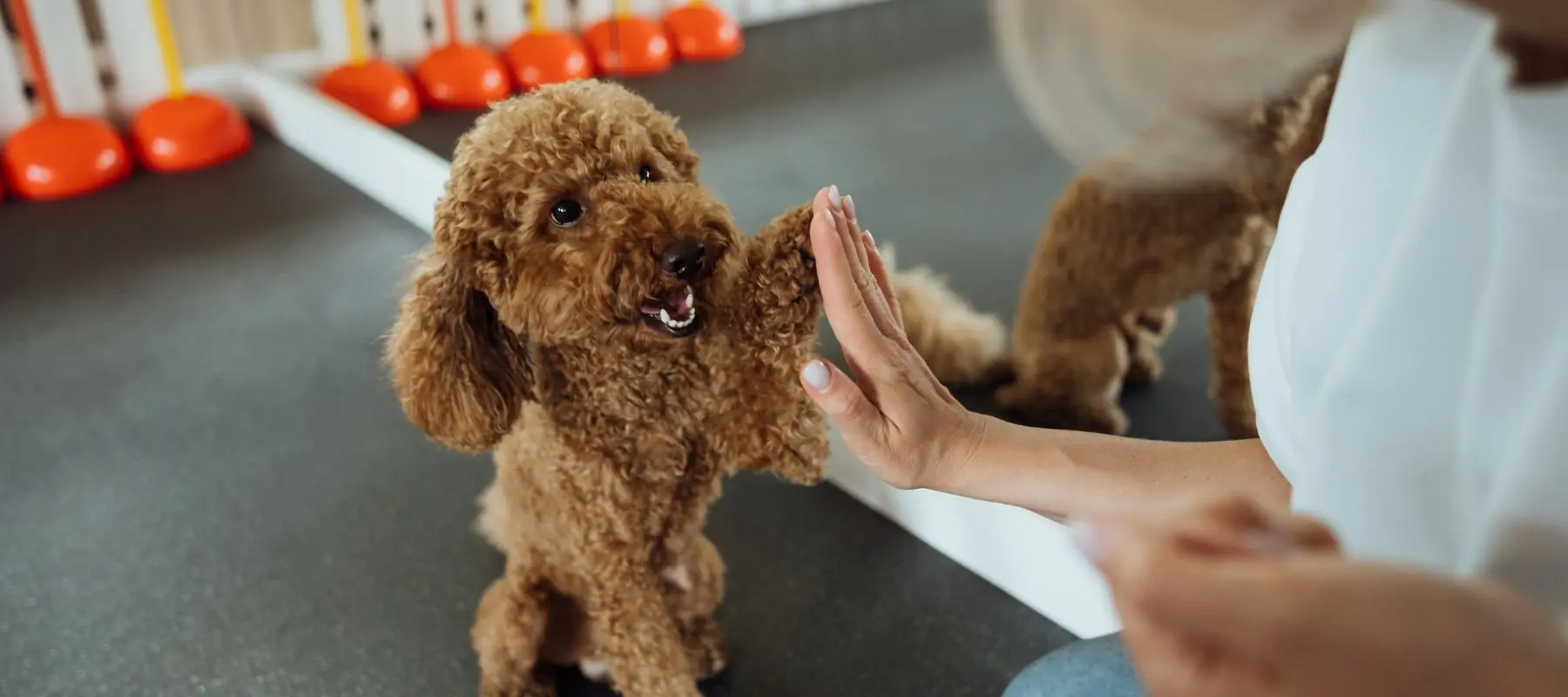
    When training your dog or puppy, treats can be a powerful tool for shaping behaviour. Positive reinforcement dog training focuses on rewarding good behaviour to encourage it to happen again. When used correctly, treats help motivate your dog, speed up learning, and strengthen the bond between you and your pet.

    The key is balance—rewarding your dog without overfeeding. Choosing healthy dog training treats and using them consistently can significantly improve training results while supporting your dog’s overall wellbeing.

    Why treats are more than just a reward

    Positive reinforcement is one of the most effective methods for puppy training and teaching older dogs’ new behaviours. The concept is rooted in classical conditioning, famously demonstrated by Ivan Pavlov. He showed that dogs could learn to associate a neutral stimulus (like a sound) with food, eventually responding automatically.

    This process—called conditioning—goes beyond simple thinking like “if I do this, I get a treat.” Over time, your dog’s brain builds a strong connection between behaviour and reward.

    For this to work, consistency is essential. Without it, your dog won’t reliably link commands or behaviours with rewards, no matter how appealing the treats are.

    Choosing the right treats for dog training

    Consistency doesn’t mean using the same treat every time. In fact, varying rewards can improve results:

    • Low-value treats: Ideal for basic commands your dog already knows
    • High-value treats: Best for difficult behaviours or new training challenges

    The best dog training treats are those your dog loves—but they should also be low in calories and made with quality ingredients, especially since you’ll be using them frequently.

    Healthy treats that include beneficial nutrients like omega fatty acids, glucosamine, and chondroitin can support joint health, coat condition, and overall wellbeing while you train. Portion size and your dog’s weight should always be considered to avoid overfeeding.

    Using treats to improve dog behaviour

    Treat-based training is highly effective for reinforcing commands and correcting unwanted behaviours. It can also help reduce anxiety and build confidence in nervous dogs.

    For example:

    • Fear of vets or loud noises: Offering treats helps create positive associations
    • Meeting other dogs: Reward calm behaviour to reduce reactivity
    • New environments: Use treats to build confidence and prevent anxiety

    Over time, your dog begins to associate these situations with positive outcomes rather than stress.

    Positive reinforcement can also reduce unwanted behaviours such as chewing, digging, or excessive barking. Use high value treats to reward calm behaviour and redirect attention. For boredom-related issues, puzzle toys or enrichment tools can keep your dog mentally stimulated while offering small rewards.

    Timing is everything: when to give a treat

    When it comes to dog training, timing is just as important as the reward itself.

    • Immediate reward: Give a treat instantly when your dog performs the desired behaviour
    • Consistent reinforcement: Repeat this process to build a strong behavioural link
    • Random rewards: Once learned, reward intermittently to maintain motivation
    • Gradual reduction: Over time, your dog will respond without needing a treat every time

    This approach helps shift behaviour from treat-dependent to habit-based, using your dog’s natural reward system.

    The power of treats in shaping behaviour

    Treats are more than just a training aid—they’re a communication tool. When used correctly, they help your dog understand what’s expected, build confidence, and develop positive habits.

    By combining consistent training, proper timing, and high-quality treats, you can shape your dog’s behaviour effectively while strengthening your relationship.

    Positive reinforcement isn’t just about obedience—it’s about creating a happy, confident dog that enjoys learning and trusts their owner.

    Frequently asked questions

    Positive reinforcement dog training

    What is positive reinforcement in dog training?

    Positive reinforcement is a training method that rewards desired behaviours with treats, praise, or toys. This encourages your dog to repeat those behaviours, making training more effective and enjoyable.

    How many treats should I give my dog during training?

    Treats should be used in moderation and make up no more than 10% of your dog’s daily calorie intake. Opt for small, low-calorie treats to avoid overfeeding during training sessions.

    Can I train my dog without treats?

    Yes, but treats are one of the most effective motivators, especially during early training. Over time, you can reduce treat use and replace it with praise, toys, or affection as your dog learns the behaviour.