
Lifestyle Blogs: Everyday Health
Does Your Dog Need a Dental Checkup? Spot the Signs
Bad breath is just the start. Learn the key signs your dog needs a dental checkup, why oral health matters and simple preventative care tips.
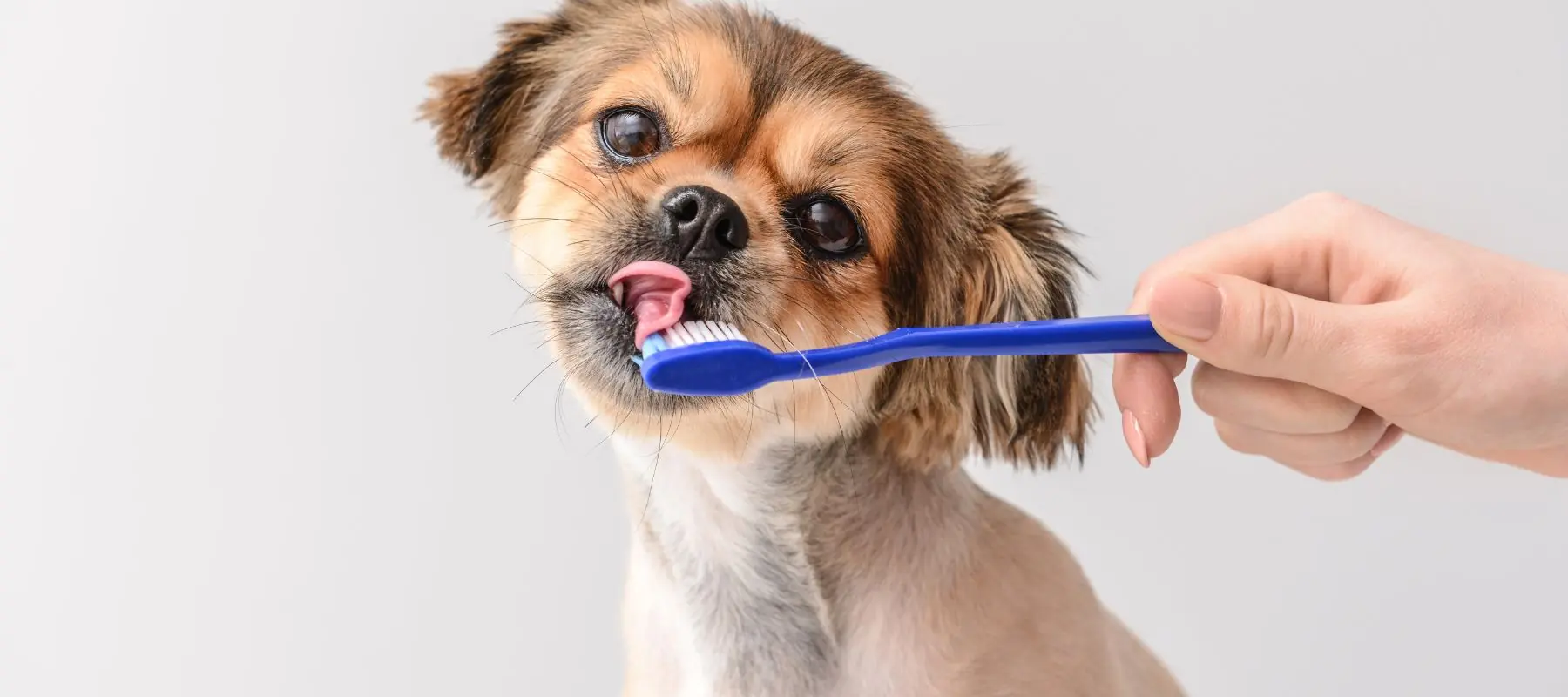
Why your dog’s oral health matters more than bad breath
Bad breath in dogs is often the first thing pet parents notice, but it’s typically a sign of deeper issues. Beyond just bad breath, neglected canine dental health can lead to serious problems like gum disease, painful plaque and tartar buildup, difficulty eating, and even loose or lost teeth. Investing in preventative dog dental care is crucial to avoid these painful consequences.
The critical role of oral health for dogs
Dogs explore and interact with their world using their mouths. Their quality of life significantly diminishes if they can’t comfortably eat, chew toys, or play. Dog gum disease, a common ailment among canines, can lead to much more serious systemic issues like heart problems and dangerous infections if left untreated.
Key signs your dog may have a dental problem
Understanding the warning signs can help you act quickly. Keep a close eye out for these red flags regarding your dog’s oral health:
- Bad breath (halitosis): More than just an unpleasant odour, persistent, bad breath often indicates bacterial overgrowth or infection.
- Excessive drooling: This can signal discomfort, pain, or inflammation in the mouth.
- Difficulty chewing or picking up food: If your dog struggles to eat hard food or drops kibble, they might be experiencing dental pain.
- Bleeding or inflamed gums: Red, swollen, or bleeding gums are classic indicators of gum disease.
- Loose or broken teeth: These are signs of advanced dental deterioration and can be extremely painful.
Don’t delay a vet visit if you notice any of these symptoms! Early intervention is key to preventing further complications.
The importance of regular professional dental checkups
Preventative veterinary care is essential. When you visit your vet, ask about their dog dental care services. Do they include an oral health assessment during annual vaccination appointments? Incorporating a thorough dental check into your dog’s regular wellness exams helps catch potential problems when they are still easily treatable.
Preventing dog gum disease and other dental problems can save your pet from significant suffering. Untreated gum disease allows bacteria to enter the bloodstream, potentially leading to more severe conditions, including tooth loss and damage to vital organs like the heart, liver, and kidneys.
Regular professional cleanings and examinations mean any dental issues are identified and corrected before they become severe, sparing your beloved companion unnecessary pain and health risks.
At-home dental care & prevention tips
Simple, consistent at-home care complements professional vet visits. These practices can significantly protect your dog’s teeth and overall well-being:
- Regularly inspect your dog’s mouth: Make it a weekly habit to check their teeth for plaque and tartar buildup and examine gums for any signs of inflammation or redness. Start early with puppies or introduce short, positive sessions with older dogs. Reward them with a tasty dental treat like a Leader dental stick after each check.
- Brush your dog’s teeth: Use a vet-approved toothpaste specifically designed for dogs (never human toothpaste). For detailed instructions and tips, refer to our previous blog post on dog teeth brushing.
- Provide dental chews for dogs: Incorporate high-quality dental chews from brands like Go Native or Foran into their routine. These can help reduce tartar accumulation and combat bad breath.
- Monitor behaviour changes: Pay attention to any shifts in your dog’s eating habits (e.g., reluctance to eat hard kibble) or an increase in drooling. Such changes warrant a conversation with your veterinarian.
Your dog’s dental health is a cornerstone of their overall well-being. By combining consistent at-home dental care with regular professional checkups, you can effectively prevent severe dental issues and ensure your pet enjoys a pain-free, healthy life. Remember, a little preventative care goes a long way in safeguarding your dog’s quality of life.
Take action now—through regular brushing, offering dental chews, and scheduling routine vet visits—can actively protect your furry friend from future suffering. Don’t let something as preventable as dental disease compromise their health.
Frequently asked questions
Dog dental health & checkups
How often should my dog have a dental checkup?
Most dogs should have a dental checkup at least once a year as part of their routine veterinary visit. However, some breeds prone to dental issues or older dogs may need more frequent examinations. Your vet can recommend the best schedule based on your dog’s age, breed, and overall oral health.
What happens during a professional dog dental cleaning?
A professional dental cleaning typically involves a full oral examination, scaling to remove plaque and tartar, polishing the teeth, and sometimes X-rays to check below the gum line. These procedures are usually done under anaesthesia to ensure your dog remains comfortable and stress-free while allowing the vet to thoroughly assess their dental health.
Can dental disease in dogs be prevented at home?
While professional care is essential, many dental problems can be reduced with consistent at-home care. Regular tooth brushing, using vet-approved dental chews, and monitoring your dog’s mouth for early signs of issues can significantly lower the risk of gum disease and tooth decay. Prevention is always easier—and less costly—than treatment.
Keep reading
More blogs like this

Behaviour & Training
Stressed Dogs: How Stress Affects Behaviour, Appetite and Health
Learn how to recognise stress in dogs, how it affects behaviour and appetite, and simple ways to calm your dog and support their overall health.

Seasonal & Safety
Holiday Pet Safety: Toxic Foods and Safe Treat Alternatives for Dogs and Cats
Keep your pets safe this holiday season. Learn which foods are toxic, the safe treat alternatives, and how to prevent overeating and weight gain.

Mobility & Joints
Winter Pet Mobility Tips: Nutrition and Joint Care for Dogs and Cats
Keep your pet moving through the cold months with joint care, nutrition and mobility advice for dogs and cats.