
Lifestyle Blogs: Behaviour & Training
Dog Separation Anxiety: Training Techniques and Nutrition Tips That Work
Manage dog separation anxiety with proven training techniques, calming routines and nutrition tips to help your dog stay relaxed when home alone.
What is separation anxiety in dogs?
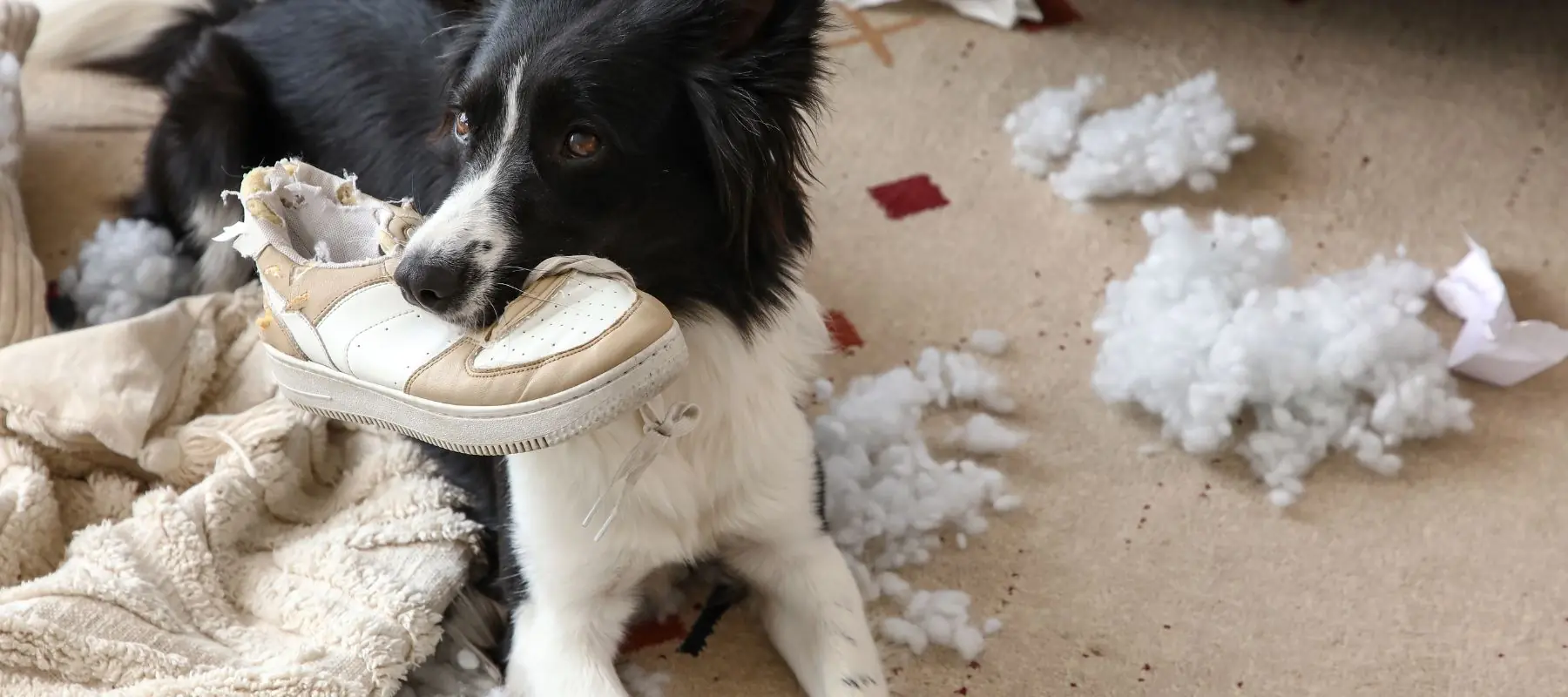
Separation anxiety in dogs is a common behavioural issue that can be stressful for both pets and owners. If your dog struggles when left alone, you’re not alone as many dog’s experience anxiety during changes in routine such as holidays, travel, or returning to work or school schedules.
While some dogs are naturally more prone to anxiety, others may develop it after major life changes, such as rehoming or losing a previous owner. Understanding the signs of separation anxiety and how to manage it is key to helping your dog feel safe, secure, and relaxed at home.
Understanding separation anxiety in dogs
Separation anxiety in dogs typically shows up in two main ways: (H3)
- Pre-departure anxiety: Your dog becomes distressed when you prepare to leave—pacing, whining, or panting when you pick up keys or put on a jacket
- Behaviour when alone: Excessive barking, destruction, or signs of distress reported by neighbours or seen when you return home
This type of canine anxiety can stem from past trauma, lack of socialisation, or sudden routine changes. Dogs are naturally social animals and view their owners as part of their “pack,” so being left alone can feel unsettling without proper training and reassurance.
Training techniques to reduce separation anxiety in dogs
Learning how to manage separation anxiety in dogs involves consistent training and routine. Combining behavioural techniques with proper nutrition can make a significant difference.
Create a consistent routine
Feeding, walking, and playtime at the same times each day helps your dog feel secure and reduces uncertainty.
Keep departures calm
Avoid making a fuss when leaving. Calm, low-key exits prevent reinforcing anxious behaviour.
Practice short absences
Start by leaving your dog alone for short periods and gradually increase the time. This helps them build confidence and learn that you will return.
Provide a safe space
Set up a comfortable, quiet area where your dog can relax. A bed, crate, or designated corner can help them feel secure.
Use positive reinforcement (Counter-conditioning)
Associate your departure cues with positive experiences, such as treats or toys, so your dog begins to view them as non-threatening.
Nutritional support for anxious dogs
Diet can play an important role in managing dog anxiety. Certain nutrients and supplements may help support a calmer, more balanced mood.
- Calming ingredients (H3): L-theanine, chamomile, and valerian root may help reduce stress and promote relaxation
- Omega-3 fatty acids (H3): Support brain function and a healthy nervous system
- Probiotics (H3): Emerging research shows a strong link between gut health and behaviour, which may help manage stress responses
These nutritional supports can be especially helpful during known routine changes or stressful periods.
When to seek professional help
If your dog’s anxiety does not improve with training and routine, or if symptoms suddenly appear, consult your veterinarian. There may be an underlying medical issue contributing to the behaviour.
Your vet can recommend treatment options or refer you to a qualified dog trainer or behaviourist. In more severe cases, medication may be needed alongside behavioural training.
Additional tips for managing separation anxiety
A well-rounded approach works best when managing separation anxiety in dogs. Combine physical activity, mental stimulation, and calming techniques to support your dog’s wellbeing.
- Provide daily exercise to reduce excess energy
- Use puzzle toys, lick mats, or chew toys to keep your dog mentally engaged
- Introduce calming music to reduce environmental stress triggers
- Consider pheromone diffusers to create a more relaxing environment
Consistency is key. With patience, structured training, and the right support, most dogs can learn to feel calm and confident when left alone.
Frequently asked questions
Dog separation anxiety
How do I know if my dog has separation anxiety or is just bored?
Dogs with separation anxiety show distress specifically when left alone, such as excessive barking, pacing, or destructive behaviour. Bored dogs may also chew or dig, but they are usually calm when you leave and don’t show signs of panic. Timing and behaviour patterns are key indicators.
How long does it take to train a dog out of separation anxiety?
It depends on the severity. Mild cases may improve within a few weeks of consistent training, while more severe anxiety can take several months. Progress requires patience, gradual exposure to being alone, and a consistent routine.
Can diet really help reduce anxiety in dogs?
Yes, diet can support overall brain and nervous system health. Ingredients like omega-3 fatty acids, calming herbs, and probiotics may help regulate stress responses. While nutrition alone won’t solve separation anxiety, it can be an effective part of a broader management plan.
Keep reading
More blogs like this
Behaviour & Training
Stressed Dogs: How Stress Affects Behaviour, Appetite and Health
Learn how to recognise stress in dogs, how it affects behaviour and appetite, and simple ways to calm your dog and support their overall health.
Behaviour & Training
Understanding Your Cat’s Body Language: What They’re Really Telling You
Learn how to read your cat’s body language, signals and vocalisations, and understand their moods, needs and behaviours.
Behaviour & Training
Using Positive Reinforcement in Dog Training: The Power of Treats
How to use positive reinforcement and healthy treats to train your dog or puppy, with expert tips on behaviour training and timing rewards.