
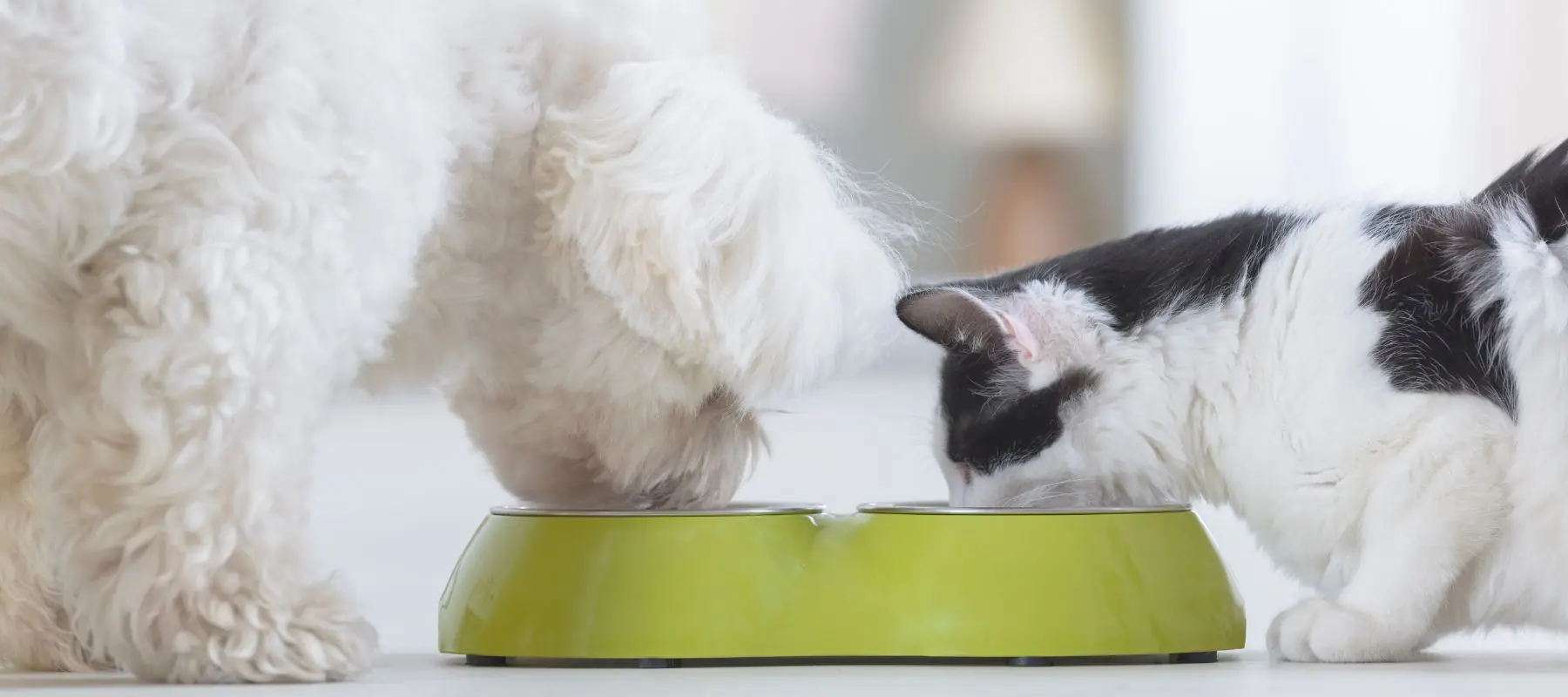
Common holiday foods that are toxic to pets
The festive season is full of joy, gatherings, and delicious food; however, it can also bring hidden risks for your pets. Sharing treats with your dog or cat may feel like part of the celebration, but many holiday foods are unsafe, as many popular festive foods can be harmful or even dangerous for dogs and cats. While most pet owners know to avoid chocolate, other risks are often overlooked.
Common toxic foods for pets include:
- Chocolate and cocoa products
- Grapes and raisins
- Onions, garlic, and stuffing ingredients
- Alcohol and foods containing alcohol
- Fatty or heavily seasoned leftovers (like gravy or stuffing)
- Xylitol (a sweetener found in baked goods and sweets)
Even small amounts of these foods can cause serious health issues. Keeping pets away from the kitchen and dining area during busy cooking times is one of the simplest ways to prevent accidents.
Holiday hazards in a busy home
During the holidays, routines change—and pets are quick to take advantage. Dogs and cats may beg, steal food, or charm guests into sharing treats.
To prevent overfeeding and accidental exposure to toxic foods:
- Let guests know not to feed your pets human food
- Provide safe pet treats as an alternative
- Keep pets in a separate, comfortable space during meal prep and dining
- Avoid leaving food unattended or within reach
- Be mindful of edible gifts and food-based decorations
A little planning goes a long way in preventing holiday-related health issues.
Why pets gain weight in winter
Weight gain in pets is common during winter—and the holidays can make it worse. Less exercise combined with extra treats creates the perfect conditions for gradual weight gain.
Colder weather often means:
- Reduced outdoor activity
- More time indoors
- Increased exposure to food and treats
- Lower calories burn due to warm indoor environments
Maintaining a consistent exercise routine and monitoring portion sizes are key to managing your pet’s weight during this time.
Safe and healthy holiday treat alternatives
You don’t have to exclude your pet from festive treats—just choose safer options.
Healthy treat ideas for dogs and cats include:
- Small pieces of carrot or apple (plain and in moderation)
- Lean, cooked turkey with no seasoning or bones
- Pet-specific treats made with natural ingredients
- Low-calorie treats designed for regular use
You can also try homemade pet treats using simple ingredients like oats, peanut butter (100% peanuts, no sweeteners), and vegetables. Just be sure all ingredients are pet safe.
Remember, treats should make up no more than 10% of your pet’s daily calorie intake—even during the holidays.
Portion control during the festive season
With more food around, it’s easy for pets to overeat. Managing portions is essential for maintaining a healthy weight.
To keep feeding on track:
- Stick to a consistent feeding routine
- Offer smaller, more frequent meals if needed
- Avoid feeding table scraps
- Use low-calorie treats when rewarding your pet
- Monitor your pet’s body condition—ribs should be felt but not seen
If you notice weight gain, reduce treats and increase playtime or light exercise. Even short indoor play sessions can help maintain fitness and mental wellbeing.
Supporting gut health and digestion
Changes in diet and routine can upset your pet’s digestion during the holidays. Rich foods, extra treats, or sudden changes in feeding can lead to stomach issues.
To support healthy digestion:
- Keep your pet’s diet consistent
- Avoid sudden food changes
- Ensure access to fresh water at all times
- Include fibre-rich ingredients like pumpkin or carrot
- Consider foods that support gut health and digestion
Hydration is especially important, even in colder weather when pets may drink less.
Creating a healthy winter-feeding routine
A simple routine can help prevent overeating and support your pet’s overall health during the festive season.
- Stock up on healthy, balanced pet food and treats
- Feed smaller meals more frequently to manage hunger
- Keep feeding times consistent, even during busy days
- Provide indoor play and enrichment to replace outdoor activity
With a little planning and awareness, you can enjoy the holidays while keeping your pets safe, healthy, and included in the celebrations.
Frequently asked questions
Holiday pet safety
What holiday foods are most dangerous for dogs and cats?
Some of the most dangerous foods include chocolate, grapes, raisins, onions, garlic, alcohol, and foods containing xylitol. Fatty leftovers like gravy or stuffing can also upset your pet’s stomach or lead to more serious health issues. It’s best to avoid feeding pets any human holiday food unless you are certain it is safe.
Can I give my pet a special treat during the holidays?
Yes, but it should be safe and given in moderation. Stick to pet-specific treats or simple, unseasoned foods like small pieces of cooked turkey or vegetables. Treats should not exceed 10% of your pet’s daily calorie intake.
How do I stop my pet from overeating during Christmas?
Prevent overeating by sticking to a consistent feeding routine, keeping pets away from food preparation areas, and informing guests not to feed them. Providing safe treats and enrichment activities can also help reduce begging and food-seeking behaviour.