
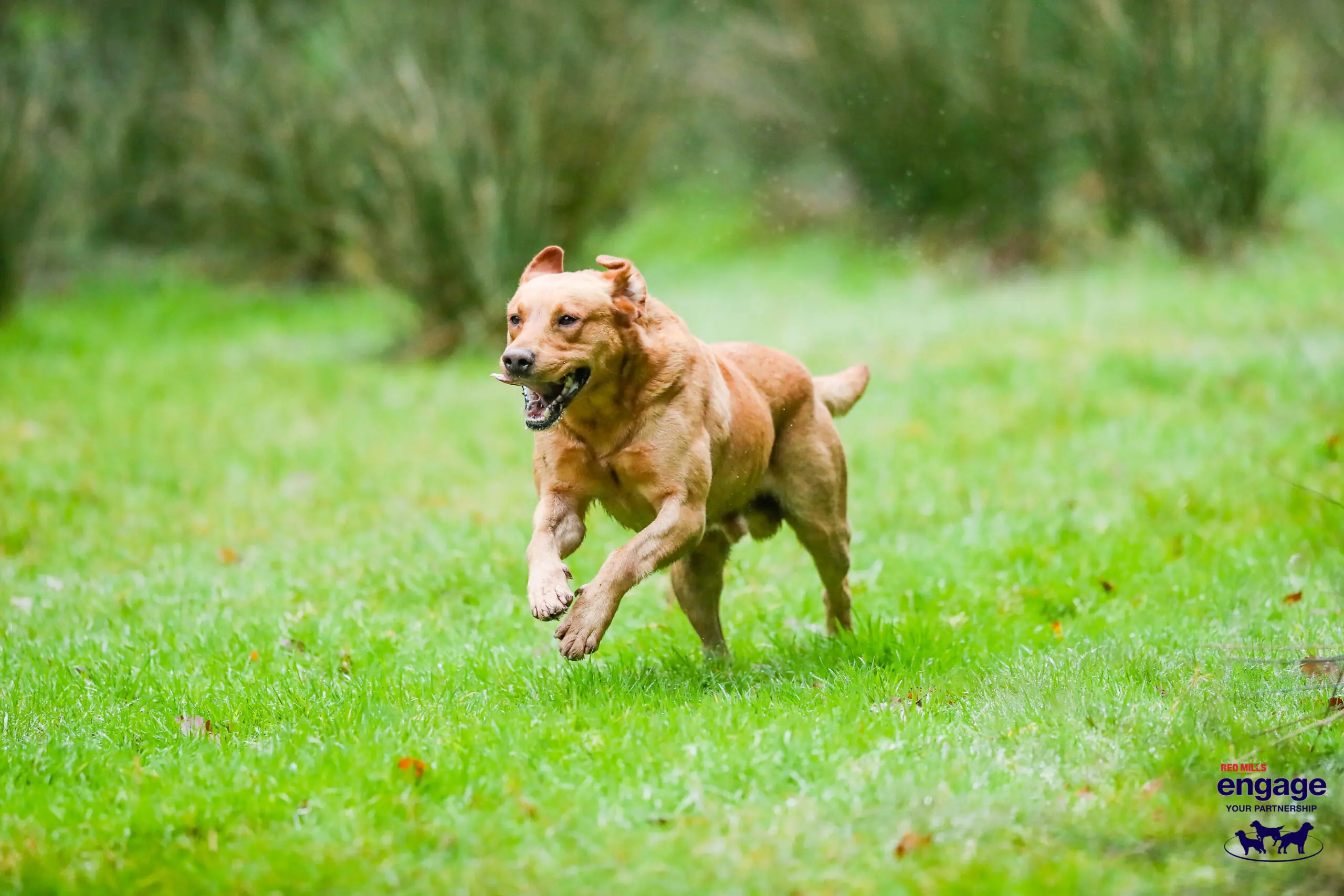
Why active dogs need specialised nutrition
Active dogs have very different nutritional needs compared to more sedentary pets. Their bodies burn more energy, require faster muscle recovery, and need ongoing joint and bone support.
Feeding active dogs isn’t just about increasing portion sizes—it’s about providing the right balance of nutrients to match their workload, lifestyle and activity levels.
The best food for active dogs focuses on:
- High-quality lean protein to build and repair muscle
- Healthy fats to provide sustained energy
- Electrolytes to support hydration and muscle function
- Calcium and minerals for strong bones and joints
A well-balanced high-energy dog diet supports metabolism, endurance, and overall wellbeing—helping your dog perform at their best.
Key nutrients for active dogs
Understanding the essential nutrients for active dogs helps you choose the right diet:
- Protein (18–28%) supports muscle growth and recovery, depending on breed and activity level
- Healthy fats (omega-3 & omega-6) provide long-lasting energy and support overall health
- Complex carbohydrates deliver both quick and sustained energy
- Vitamins and minerals (especially B vitamins, calcium, and phosphorus) support energy metabolism and bone strength
- Electrolytes help prevent dehydration and maintain muscle performance
If your dog regularly engages in intense activity—such as herding, hunting, agility training, or long-distance exercise—they likely benefit from a specialised high-energy diet.
How to choose the right food for active dogs
Choosing the best food for active dogs depends on their activity level, breed, and age. Athletic dogs typically need higher protein and fat levels than standard pet food provides.
Performance-focused dog foods, such as high-protein and calorie-dense formulas, are designed to meet these needs. Options like salmon or duck-based recipes offer a balance of protein, fats, and joint-supporting nutrients like glucosamine and chondroitin.
It’s important to remember that high-energy dog food is not suitable for less active pets, as it can lead to weight gain if energy needs are not matched.
Feeding tips for high-energy dogs
Meal timing
Feed your dog 12–18 hours before intense activity. Exercising too soon after eating increases the risk of bloat, a serious condition. In warmer weather, smaller, more frequent meals may help maintain energy levels.
Portion control
Adjust food intake based on your dog’s activity level. On more active days, they may need additional calories, while quieter days require less.
Hydration
Consistent hydration is critical. Provide fresh water regularly and avoid large amounts in one go, especially around exercise.
Supplements and functional treats
Energy-boosting treats and joint-support supplements can help maintain performance. Options designed for active dogs can support recovery, endurance, and joint health.
Monitoring your dog’s performance and nutrition
Your dog can’t tell you if their diet is working—but their condition will. Watch for these signs:
- Stable, healthy weight indicates balanced nutrition
- Good energy levels without excessive fatigue suggest proper fuelling
- A healthy coat and body condition reflect overall wellbeing
- Sluggishness or poor performance may indicate dietary imbalance or incorrect feeding timing
Regularly assessing your dog’s condition helps you fine-tune their diet for optimal performance.
Common mistakes to avoid
Finding the right nutrition for active dogs often involves some trial and adjustment. Avoid these common mistakes:
- Underfeeding: Leads to low energy, poor performance, and possible weight loss
- Overfeeding: Can cause weight gain and increase the risk of bloat
- Feeding too close to activity: May impact performance and digestion
- Focusing on quantity over quality: High-quality protein and nutrient balance are more important than portion size
A well-planned diet supports endurance, muscle strength, joint health, and recovery—helping your dog stay active, strong, and healthy.
Frequently asked questions
Nutrition for active dogs
How do I know if my dog needs high-energy dog food?
If your dog regularly participates in intense physical activity—such as working, herding, running, or training—they likely need a high-energy diet. Signs include high stamina demands, increased calorie needs, and visible muscle use.
When should I feed my dog around exercise?
It’s best to feed your dog 12–18 hours before intense activity to reduce the risk of bloat and ensure optimal digestion. Smaller snacks or functional treats can be given during the day to maintain energy levels.
Can active dogs eat regular dog food?
While they can, standard dog food may not provide enough protein, fats, and nutrients to support high activity levels. Specialised food for active dogs is formulated to meet these increased energy and recovery needs.