
Why spring grooming matters for dogs
Spring is a major shedding season for dogs as they lose their heavier winter coats. Without regular brushing, loose fur can quickly build up on furniture, clothing, and floors.
Grooming also helps reduce pet dander and pollen, which can trigger allergies in both pets and owners. At the same time, it gives you a chance to check your dog’s skin for irritation, lumps, or parasites, which makes early detection much easier.
Spring grooming checklist for dogs
A consistent grooming routine is the best way to manage shedding and keep your dog in top condition.
Brush your dog regularly
Daily brushing is ideal during spring, especially for long-haired breeds prone to tangles and matting. It helps remove loose fur, dirt, and pollen while keeping the coat healthy and shiny.
Bathe with a gentle dog shampoo
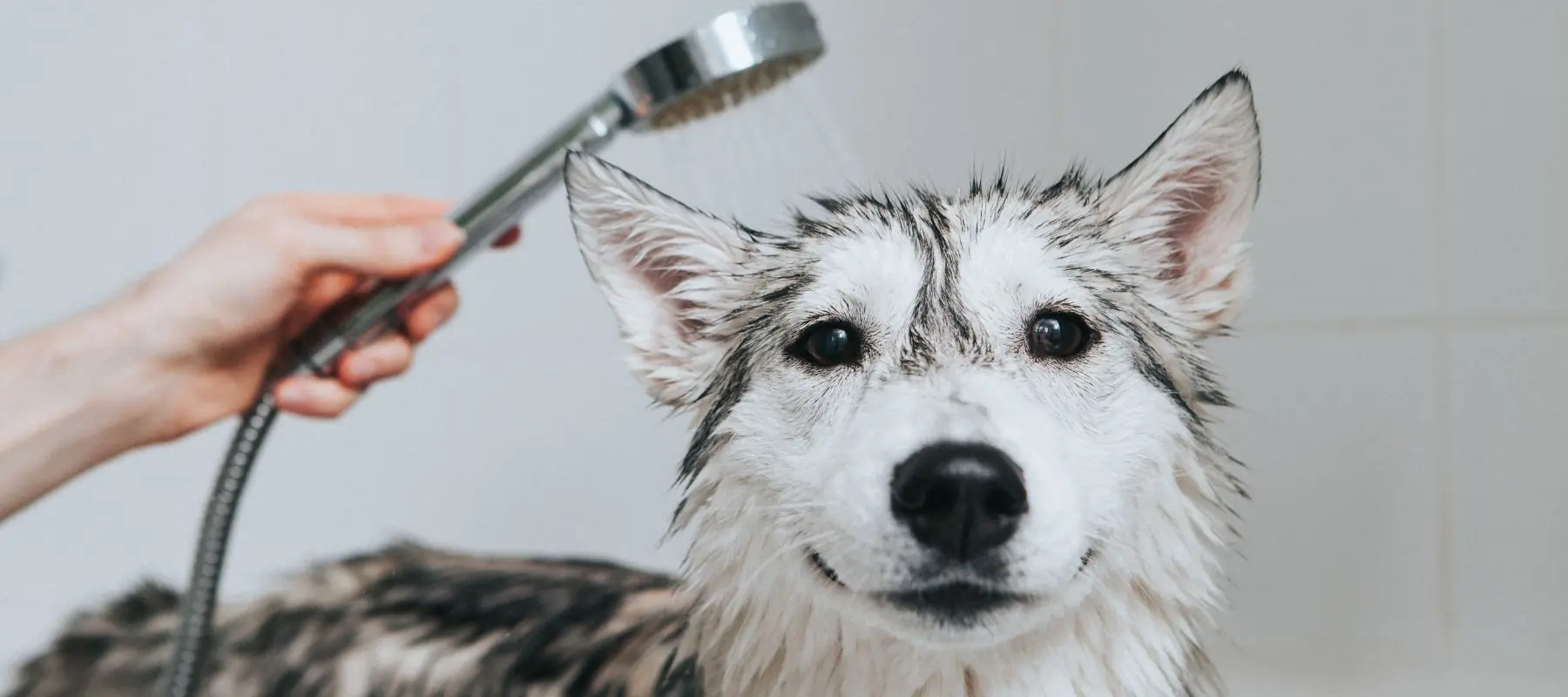
A spring bath helps remove built-up dirt and allergens. Use a dog-specific, hypoallergenic shampoo to avoid skin irritation. Never use human shampoo, as it can disrupt your dog’s skin balance.
Trim nails
Overgrown nails can cause discomfort and affect how your dog walks. Trim nails every 4–6 weeks or use a nail grinder if your dog is sensitive to clippers.
Clean ears
Regular ear care helps prevent infections. Gently clean both the ear flap and canal using a pet-safe ear cleaner, especially for dogs prone to wax build-up.
Flea and tick prevention
Spring marks the start of parasite season. Regular grooming combined with preventative treatments helps protect your dog from fleas and ticks.
Worming routine
Check your dog’s worming schedule and ensure they are up to date with preventative treatments to protect against internal parasites.
Seasonal haircuts: what you need to know
Some dogs benefit from a trim in warmer months, particularly long-haired or active breeds. However, not all dogs should be clipped.
- Double-coated breeds (like Border Collies or German Shepherds) should not be shaved, as their coat helps regulate temperature
- Short-haired breeds may need extra protection from sun exposure
- Matted coats or skin conditions may require professional grooming
When in doubt, consult a professional groomer to ensure your dog’s coat is managed safely. Breeds like Poodles and their crosses often require regular grooming appointments to prevent matting and maintain coat health.
Grooming tips for nervous dogs
Not all dogs enjoy grooming, but a calm approach can make a big difference:
- Start with short grooming sessions and gradually increase duration
- Use gentle tools like grooming mitts for a more soothing experience
- Reward your dog with treats to create positive associations
- Stick to a consistent routine to build familiarity
If your dog remains anxious, calming supplements or advice from your vet may help improve the experience.
Keep your dog healthy this spring
Spring grooming is an essential part of responsible pet care. With regular brushing, proper hygiene, and parasite prevention, you can reduce shedding, support skin health, and keep your dog feeling their best.
A consistent grooming routine not only improves your dog’s wellbeing but also helps maintain a cleaner, more comfortable home.
Frequently asked questions
Spring dog grooming
How often should I groom my dog in spring?
During spring, most dogs benefit from more frequent grooming due to increased shedding. Daily brushing is ideal for long-haired breeds, while short-haired dogs may need brushing a few times per week.
Should I shave my dog in warm weather?
Not always. Double-coated breeds should not be shaved, as their coat helps regulate body temperature. Instead, regular brushing is the best way to manage shedding. Consult a groomer if you’re unsure.
What’s the best way to reduce shedding in spring?
Regular brushing, proper nutrition, and occasional bathing with a gentle dog shampoo are the most effective ways to manage shedding. A consistent grooming routine will significantly reduce loose hair around your home.